Discover everything you need to know about tires in my comprehensive tips and guide section. If you have any questions or need assistance, I’m here to help. Feel free to reach out to me, through my contact page for personalized support and guidance. Your journey to becoming a tire expert starts here!
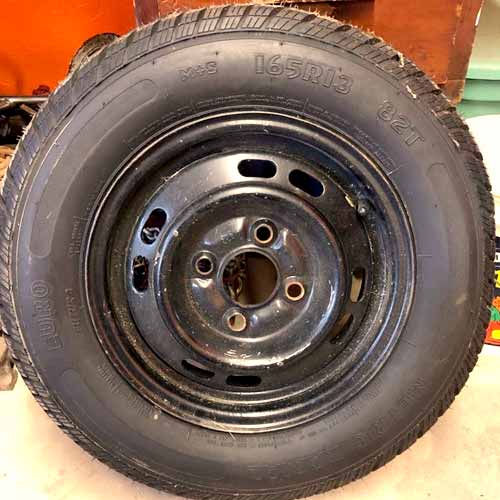
Spare Tires 101: Guide on Types, Limits, Maintenance, and best options for you
Spare tires are not outdated. They are just more varied than they used to be. A matching full-size spare is still the best emergency tire option if your vehicle can accommodate one. A donut spare is a useful backup, but only for short, low-speed use. And if your vehicle came without a spare, you need to understand whether you are relying on run-flats, an inflator kit, or roadside assistance alone. The biggest mistake is not choosing the wrong spare. It is assuming the spare you have is ready when you have never checked its pressure, age, or condition.
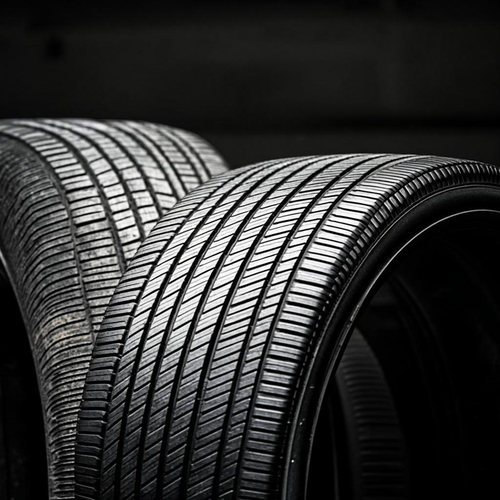
Can You Replace Just One Tire? When It’s not a bad idea and What to Do Instead
Can you replace just one tire? Usually, no. It is not the preferred fix, and on many vehicles it is the wrong one. The safest route is to replace all four tires together. If that is not possible, replace two as a pair and install the newer tires on the rear axle. If one-tire replacement is truly unavoidable, do it only after checking the vehicle’s manual, matching the tire specs exactly, and making sure tread-depth differences stay within what the manufacturer allows.
Tire Tread Wear Patterns Explained: 7 Common Types, Causes, and How to Fix Them
Now I'd like to mention here that I wouldn't have done this article so beautifully if it wasn't for the top notch industry guidance available , especially thankful to: Tire Industry Association guidance on tire conditions and serviceability U.S. tire industry guidance on inflation, wear, and safety practices Multiple vehicle owner’s manual recommendations for tire pressure, rotation intervals, and alignment checks For vehicle-specific pressure, load, and service recommendations, always check the owner’s manual and tire placard.
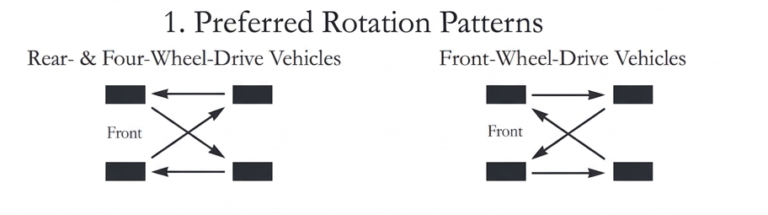
Tire Rotation vs Wheel Alignment: What’s the Difference?
Quick answers to the biggest questions drivers ask about tire rotation and wheel alignment. 01 What is the difference between tire rotation and wheel alignment? Tire rotation means moving the tires to different positions on the vehicle to help them wear more evenly. Wheel alignment means adjusting suspension angles such as toe, camber, and caster so the tires meet the road correctly and the vehicle tracks straight. 02 Do I need a wheel alignment every time I rotate my tires? No. Tire rotation is routine maintenance, usually done every 5,000 to 8,000 miles. Wheel alignment is typically done when the car pulls, the steering wheel sits off-center, or tire wear suggests the wheels are out of specification. 03 Can tire rotation fix uneven wear caused by bad alignment? No. Rotation may move the wear pattern to a different position, but it does not correct the underlying alignment problem. If alignment is off, that issue needs to be fixed first. 04 What are the signs that my car needs a wheel alignment? Common signs include the vehicle pulling left or right, an off-center steering wheel, wandering on the highway, and abnormal tread wear such as inside-edge wear, outside-edge wear, or feathering. 05 How often should tires be rotated? A common guideline is every 5,000 to 8,000 miles, unless your vehicle or tire manufacturer specifies a different interval. Earlier rotation may be smart if uneven wear starts showing up.
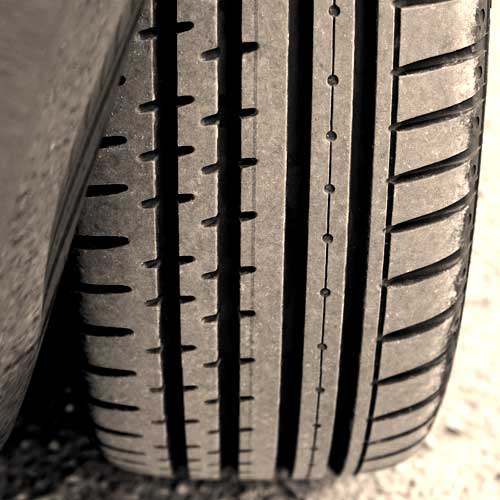
Replace Run Flat Tires With Regular Tires? – Yes or Not a Good Idea
Quick answers to the biggest questions drivers ask before switching from run flat tires to regular tires. 01 Can I replace run flat tires with regular tires? Yes. You can replace run flat tires with regular tires, but the safest approach is to replace all four tires together with matching conventional tires that meet your vehicle’s required size, load rating, speed rating, and inflation specifications. 02 Can I mix run flat tires and regular tires on the same car? It is not recommended as a permanent setup. A mixed setup may only be acceptable as a temporary emergency solution when a matching replacement is unavailable. Even then, the tire should match the original size, load capacity, speed rating, and inflation requirement as closely as possible. 03 What happens if I switch from run flats to regular tires? You may gain a more comfortable ride and wider tire choices, but you also lose the limited mobility benefit run flats provide after a puncture. If your vehicle does not carry a spare, you may need to add a spare tire, repair kit, inflator, or roadside support plan. 04 Do I still need TPMS if I switch tires? Yes. A working TPMS is especially important with run flat tires, but it should still function properly even after switching to regular tires. If your car originally came with run flats, always make sure the new setup is compatible with the vehicle’s monitoring system and manufacturer recommendations. 05 Is it safe to replace just one run flat tire with a regular tire? Only as a temporary emergency measure. It should not be treated as a long-term solution, because mixing tire constructions can affect handling, ride balance, and overall predictability.

Summer Vs Winter Vs All-Season Tires
In the comparison of summer, winter, and all-season tires, each type caters to specific driving conditions. Summer tires are ideal for temperatures above 45°F (7°C), offering superior performance on wet and dry roads with their sticky rubber composition and asymmetric tread patterns. However, their tread life is shorter (20 to 40k miles). Winter tires perform best below 45°F (7°C), with softer compounds and extensive siping for better grip on snow and ice, but wear out quicker (20 to 30k miles) and are noisier. All-season tires are versatile, functioning well in a temperature range from 32°F (0°C) to 90°F (32°C). They provide a balance in performance, with longer tread life (40 to 100k miles) and moderate tread designs. So overall, the choice depends on the specific weather conditions and driving needs, with all-season tires offering a practical, cost-effective option for moderate climates.

Do All-Season Tires Wear Out Faster?
In conclusion, all-season tires are a versatile choice for various driving conditions, but their wear rate is influenced by several factors. But, here's the catch: they're not invincible. These guys like it best when it's not too hot or too cold, ideally between 32°F and 90°F. Push beyond these temps, and they start to show wear a bit quicker. Now, if you're looking at tire types, Ultra High Performance tires are the sprinters — fast but not so long-lasting. On the other hand, your standard touring tires are more like marathon runners — they keep going and going. And that's all because of their build. But throw in some extreme weather, and it's a bit of a struggle. Speaking of struggles, the design of the tire plays a big part too. Narrower tires in summer? They're like ice cream on a hot day, melting (or wearing) away faster due to the heat and all that bending. And the whole story about speed and load ratings? Well, they're like the tire's personal resume, saying how flexible or stiff they are, which again messes with how they wear in different weathers. Last piece of advice: Think about where you park these tires when they're off-duty. Cool, dry spots are their best friends. It's all about avoiding those nasty cracks or weird wear patterns. Keep them comfy and covered, and they'll be ready to roll next time you need them.
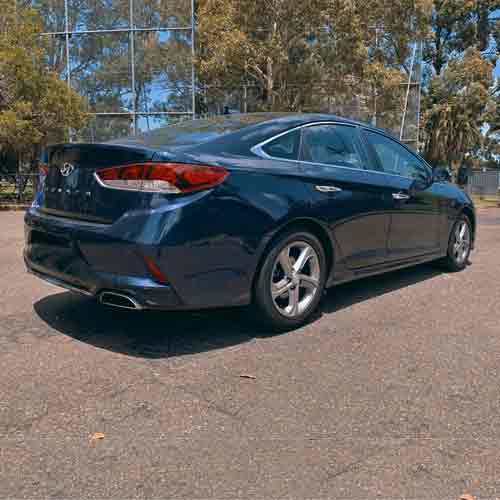
Are All-Season Tires Good For Summer?
In conclusion, all-season tires offer a versatile solution for varying weather conditions, but they may not be optimal in extreme temperatures, particularly high heat. Their performance in terms of dry braking, handling, and wet road grip can be significantly affected as temperatures rise. While they do provide a smoother ride due to increased softness in hot conditions, this can also lead to decreased responsiveness and stability. Additionally, the effect of heat on the tire's tread can increase rolling resistance, negatively impacting both tread life and fuel efficiency. Therefore, while all-season tires are a practical choice for moderate conditions, in areas with consistently high temperatures, specialized summer tires might be a more effective option.

Are All-Season Tires Comfortable And Quiet Enough?
All-season tires are a go-to for a smoother, more comfortable ride, offering a balance between noise reduction and comfort. They excel in moderate temperatures, where their flexibility and stability find the perfect balance. However, in extreme temperatures, they either get too soft (affecting responsiveness) or too hard (reducing comfort). The secret to their performance lies in the rubber compound, internal tire technology, tread design, load and speed ratings, and maintaining the correct tire pressure.
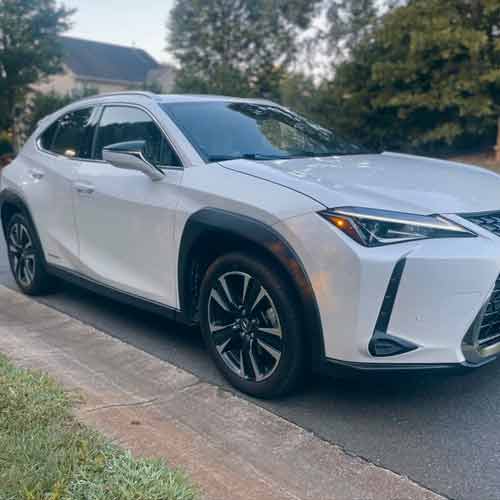
Different Types Of All-Season Tires
So which category is for you? Well, it all comes down to following factors. Vehicle Type and Manufacturer Recommendations: Check your vehicle’s manual for tire specifications recommended by the manufacturer. This ensures compatibility and optimal performance. Driving Conditions and Climate: Consider the typical driving conditions and climate in your area. If you live in an area with severe winters, you might need tires with better snow traction. Driving Habits: Reflect on your driving style. If you prefer a quiet, comfortable ride, touring all-season tires might be the best fit. For a more spirited driving experience, consider performance-oriented tires. Budget and Longevity: Evaluate your budget and the expected tread life of the tires. Longer-lasting tires might be more expensive initially but can be more cost-effective in the long run. Read Reviews and Ratings: You can find almost all reviews on my site. And you can reach out to me if you have any questions. These points will definitely help a lot in choosing the right tire from all these categories. If you still are confused about them, you can reach out to me directly, just send your queries over through contact page, or just comment below.
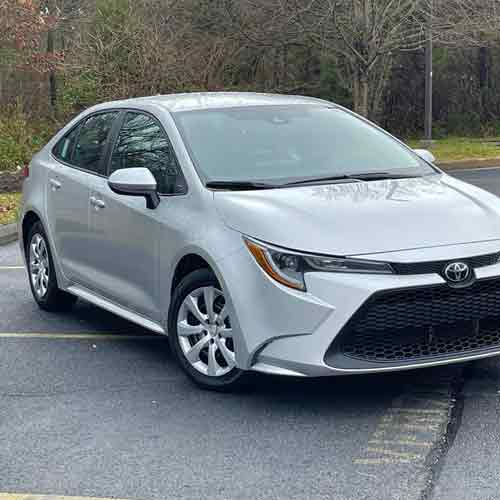
Pros And Cons of All-Season Tires – Are They Worth It?
In conclusion, all-season tires are an excellent choice for drivers in moderate climates, offering year-round versatility without the need for seasonal tire changes. They strike a balance between flexibility and firmness, providing a comfortable ride with moderate impact comfort and reduced road noise. While they excel in general conditions, it's crucial to recognize their limitations in extreme weather, where they may not provide the same level of performance as specialized summer or winter tires.

Are All-Season Tires Good In Rain?
So overall, here's the deal: All-season tires are pretty good in the rain. They've got sipes and grooves that help them cling to the road. But, how they handle changes with the temperature. I mean, they can't quite keep up with summer tires in warm weather, especially on wet or dry surfaces. That's because their rubber isn't as sticky. The rubber mix in all-season tires is a balancing act, meaning, it's made to work in both cool and warm conditions, giving them a decent grip on wet roads within a certain temp range. Don't forget, tread depth is also key. Deeper treads are better at moving water away and keeping hydroplaning at bay. And, regular tire check-ups are a must. Even tires that look fine might have old, worn-out rubber that's not up to par. Also, some other aspects related to tire design matter a lot as well. Like, usually, narrower and lighter tires handle wet roads better. Plus, the speed and load ratings of the tire can affect how they manage water. Higher ratings often mean stiffer tires, which might not be the best for wet conditions.

Improving Dry Performance From All-Season Tires
So overall, to improve dry performance with all-season tires, regularly maintain your current tires and choose new ones carefully. Pay attention to tire design and quality for a better drive on dry roads. The right tire improves safety and driving enjoyment. Always pick tires that suit your specific driving needs. P.S. if you have any questions, please go ahead and ask me in the comment section below.

Do All-Season Tires Use More Fuel?
In conclusion, while all-season tires offer a balanced performance in various weather conditions, they are not as specialized as winter or summer tires in their respective climates. Winter tires excel in cold temperatures but can reduce fuel efficiency in warmer weather, unlike all-season tires. Additionally, external factors like temperature changes significantly impact tire pressure and, consequently, fuel efficiency. Therefore, it's crucial to consider your local climate and regularly adjust tire pressure according to seasonal variations to ensure optimal fuel efficiency for your vehicle.

Are All-Season Tires More Expensive?
In conclusion, all-season tires can initially seem costlier than seasonal tires due to their advanced technology and ability to cope with various weather conditions. However, they often emerge as the more economical choice in the long run, offering a single purchase that negates the need for multiple sets, reduces maintenance costs, and minimizes storage issues. These tires offer better fuel economy and tread life, and although there's comprehensive R&D behind these tires, they still come out cheaper in the long run (when you run them all year long, I mean).
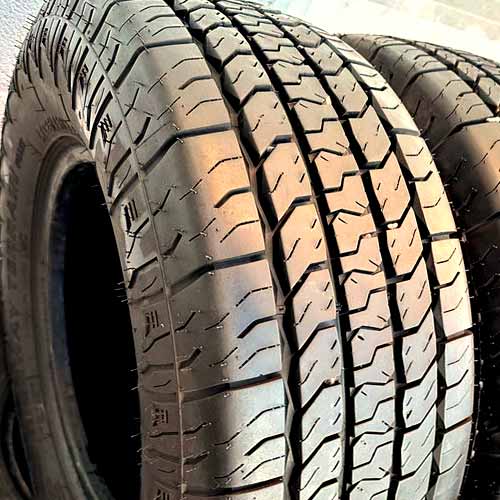
How Close to Sidewall Can a Tire be Patched?
If you have any damage on the sidewall, shoulder, or bead, you should replace your tire. Still, the inner part of the shoulder sometimes can be repairable. In this case, the limit is 1/2”. So, you can add 1/2” to each side of the tread center and find the exact location of the repairable area.

How to Tell If Tires are Directional?
So as the name suggests, directional tires are made for only moving forward, so more specifically, in one direction. So, you can no just put these tires any way you want, you have to make sure they are all facing the same way. And they can't face backwards as that would cause for reduced performance, and traction along with even faster tread wear. That's why its hard to rotate these tires as well. But for safety, these tires are marked with directions and arrows pointing where these tires are intended to roll. Though you can easily tell if your tires are directional by just looking at them. The tread should be making a mirror images on each halves containing V shaped lugs.

Can You Put All-Terrain Tires on a 2WD Vehicle? (Things to Know Before Switching)
So overall, there are a lot of good things that come with putting an all-terrain tire on your 2 Wheel Drive (2WD) vehicle. Like you get amazing traction over a wide range of surfaces with self-cleaning grooves. You get off-road durability and all-season traction, as most of these tires are very capable and come with 3PMSF severe winter ratings. Though keep in mind that with heavier weight, the tire will eat up more fuel and wear faster. And on-road, you would also get a less comfortable drive as well. Bottom line: If you actually go off-road, even occasionally, all-terrain tires on your 2WD are a solid upgrade. If you never leave pavement, stick with highway tires. Your wallet and your backseat passengers will thank you. Before buying, always check your vehicle's tire placard for proper size and pressure specs. And whatever you choose, maintain proper inflation, rotate regularly, and inspect your tires often. That's the real secret to getting the most out of any tire.
Do All-Terrain Tires Wear Faster?
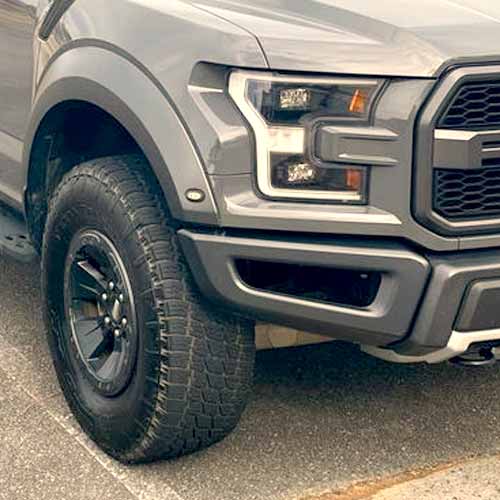
Compared to on-road options, all-terrain tires would always wear a little faster, because they have more weight, a comparatively malleable lugs composition, and aggressive biters (generally speaking). All these contribute to rolling resistance, which then burns these tires faster. Though there are still some tires that do great and out of them, one of the top ranking ones in General Grabber A/TX. But not matter what all-terrain tire you have, (or planning to get), you can always increase the tread life, by keeping in mind the road condition's I discussed, keeping optimal pressure and ensuring alignment and rotation is done right.

What is Radial Tire?
Radial tires are the newest technology in the tire industry. They’re gonna stay best until the airless tires will show up. In summary, radial tires have cords running perpendicular to the direction of travel, providing better handling and fuel economy as well as a longer tread life than bias tires. I hope the article was helpful. Let me know if you have any further questions. Have a safe ride folks!
What does ZR Mean on a Tire?
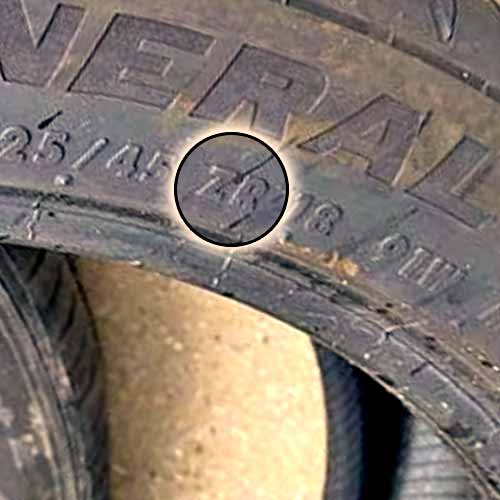
ZR is the old-school way to indicate speed rating, at that time, nobody though they would need such faster tires going above Z, but when high performance tires started coming in, the ZR was changed with Z. R mean radial construction, and its talked about in contrast to the other one, which is bias ply construction. R could also mean speed rating, depending on the position it is in the tire size (seen on the sidewalls).