TIRE DRIVER • INDEPENDENT TIRE REVIEWS & COMPARISONS
Find the Perfect Tire.
Not Just a Good One.
Independent reviews, side-by-side comparisons, and practical buying guides for all-terrain, mud-terrain, and all-season tires… So you can choose the right tire for your driving, weather, and budget.
Browse Tire Categories
Jump straight into the tire type you’re shopping for — each section includes comparisons, rankings, and practical recommendations.
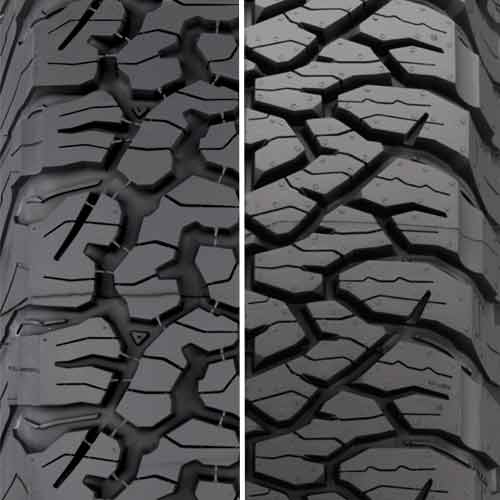
All-Terrain Tires
Balanced road comfort + light off-road grip for daily drivers.
Browse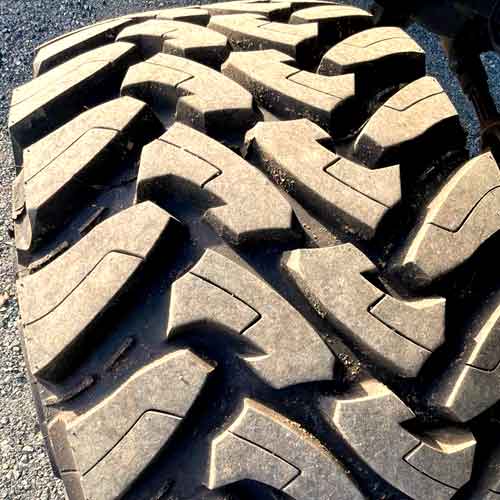
Mud-Terrain Tires
Maximum bite for mud, ruts, rocks — with honest tradeoffs.
Browse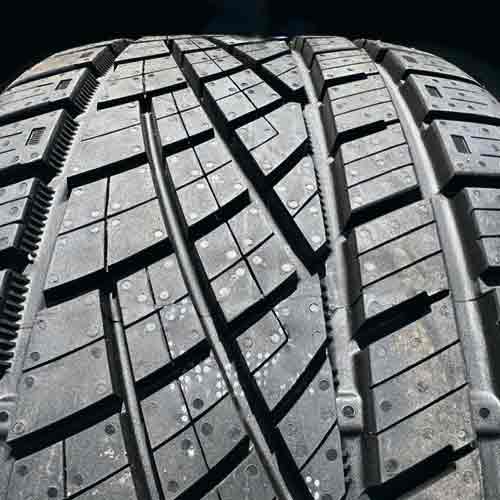
All-Season Tires
Everyday grip, quiet ride, and long tread life for most climates.
Browse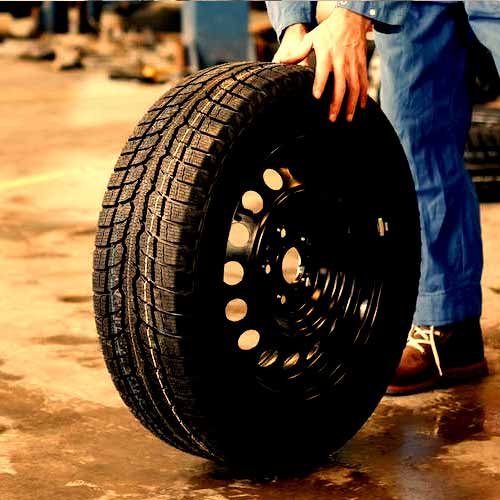
Tips & Guides
Sizing, load ratings, snow ratings, and real-world buying advice.
Browse
Who am I?
Hi Folks. I’m Ozmen, and I work as a tire designer/engineer. I understand finding a tire isn’t easy, as there are so many variables involved. But with me around, tire selection would never bother you again. Learn More About Me.
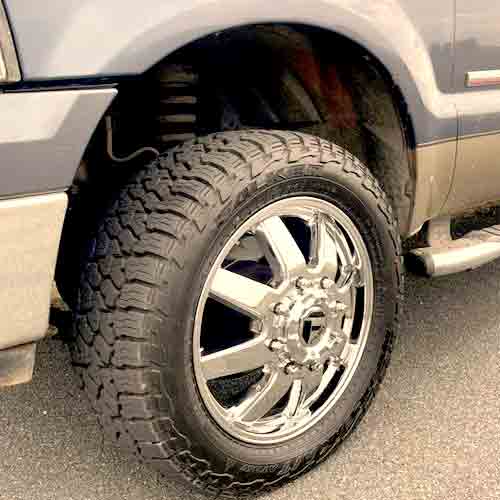
Hankook Dynapro AT2 Xtreme vs Falken Wildpeak AT3w
The Hankook Dynapro AT2 Xtreme is a better tire to have on pavements, its quieter, provides you with superior fuel economy and tread life, and is pretty great with hard packed snow, though both tires have 3pmsfr. Falken Wildpeak AT3w on the other side, does better off-road in nearly all terrains with it's tougher construction and self cleaning grooves. Though with its interlocking siping, it's also pretty great on wet roads.
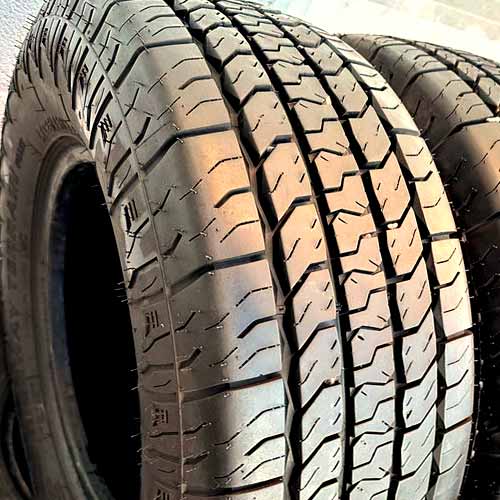
How Close to Sidewall Can a Tire be Patched?
If you have any damage on the sidewall, shoulder, or bead, you should replace your tire. Still, the inner part of the shoulder sometimes can be repairable. In this case, the limit is 1/2”.
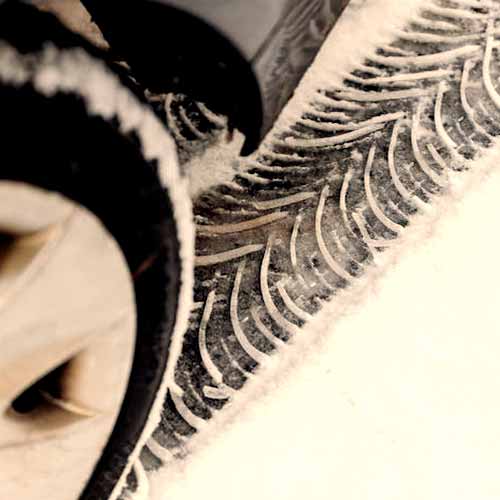
How to Tell If Tires are Directional?
So as the name suggests, directional tires are made for only moving forward, so more specifically, in one direction. So, you can no just put these tires any way you want, you have to make sure they are all facing the same way. And they can't face backwards as that would cause for reduced performance, and traction along with even faster tread wear.
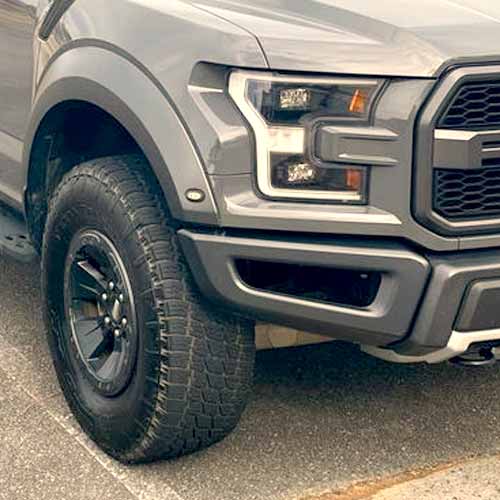
Do All-Terrain Tires Wear Faster?
Compared to on-road options, all-terrain tires would always wear a little faster, because they have more weight, a comparatively malleable lugs composition, and aggressive biters (generally speaking). All these contribute to rolling resistance, which then burns these tires faster. Though there are still some tires that do great and out of them, one of the top ranking ones in General Grabber A/TX.

What is Radial Tire?
Radial tires are the newest technology in the tire industry. They’re gonna stay best until the airless tires will show up. In summary, radial tires have cords running perpendicular to the direction of travel, providing better handling and fuel economy as well as a longer tread life than bias tires.
What does ZR Mean on a Tire?
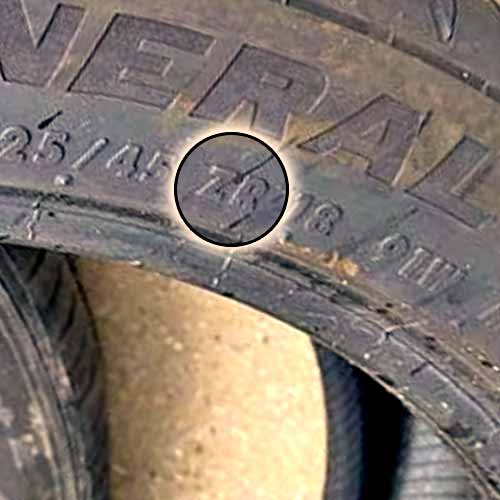
ZR is the old-school way to indicate speed rating, at that time, nobody though they would need such faster tires going above Z, but when high performance tires started coming in, the ZR was changed with Z. R mean radial construction, and its talked about in contrast to the other one, which is bias ply construction. R could also mean speed rating, depending on the position it is in the tire size (seen on the sidewalls).
Are All-Terrain Tires Noisy?
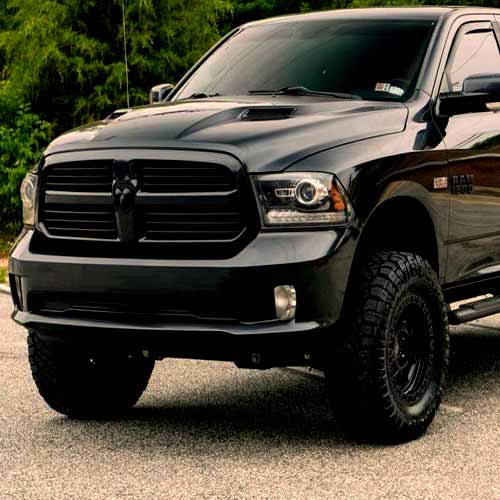
So, to sum up, although all-terrain tires are notorious for being loud on roads, there are some on-road-oriented tires that are better. That's because with an aggressive design, tires having wider grooves and deeper tread voids allow more air to come in through the shoulder gaps and hit around the tread, generating noise. Moreover, some tires have stiffer shoulder lugs, due to the spirally wound inner plies, and these encourage air particles to hit (especially in the middle part of the tread) with full force, generating unwanted sound waves.

How To Read Tire Size?
So overall when reading tire size, make sure you know what is the difference between LT and P metric sizes, what is the width and aspect ratio of the tire. What does R (Radial) mean? And how it's different from Bias Ply.
Are All-Terrain Tires Worth It?
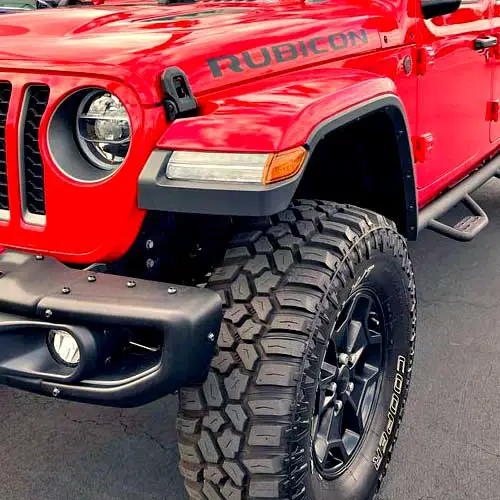
Though it depends on your needs, I think overall for someone who need to go on multiple types of trails, all-terrain tires are really worth it. They are either not too aggressive like rugged or mud terrain tries, nor they are weaker like all season tires. So although with them you have to compromise on overall comfort and traction a little bit on highways, as these tires slow you down a little bit, they are a great all season option otherwise.