Ozmen photo

Tire reviews & comparisons

Ozmen

Hi Folks. I'm Ozmen, and I work as a tire designer. I understand finding a tire isn't easy, as there are so many variables involved. But with me around, tire selection would never bother you again.

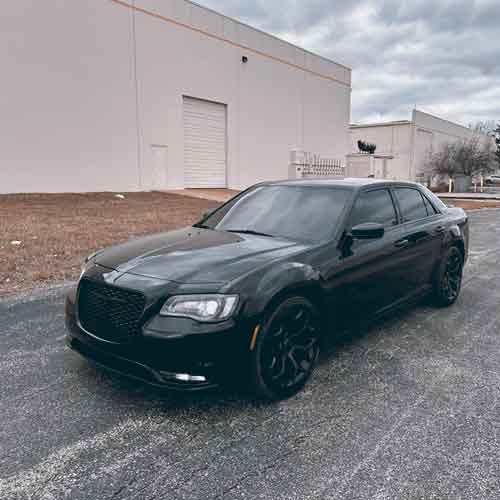
Cooper Zeon RS3 G1 on 300S

Cooper Zeon RS3 G1 vs CS5 Ultra Touring

In conclusion, when it comes to overall dry performance, the Cooper Zeon RS3 G1 dominates with its superior grip and quicker stopping power. It also leads in handling, particularly in cornering phases, due to its more responsive structure. Moreover, in winter and wet conditions, it surpasses expectations, significantly outperforming the CS5 with its advanced siping and notch design, combined with interconnected groove structure. However, the Cooper CS5 Ultra Touring edges ahead in ride comfort and tread longevity, with its softer build and deeper tread depth providing a smoother ride and longer tire life, particularly for H and V rated sizes. So, while the Zeon RS3 G1 excels in performance and safety, the CS5 Ultra Touring offers a more comfortable and durable ride.

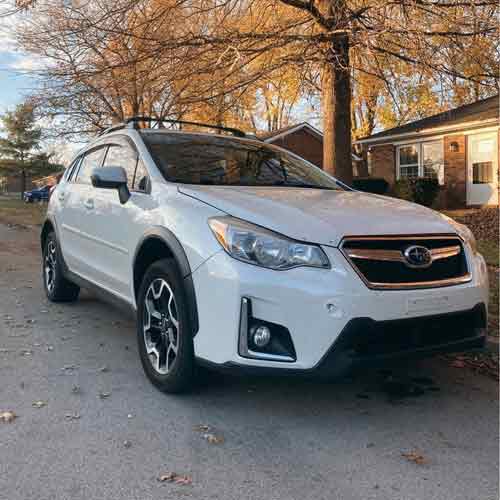
Hankook Dynapro HPX on CX 3

Hankook Dynapro HPX Review

The Dynapro HPX is a mixed bag of results, like any other SUV touring tire. It provides nice overall road comfort, both in terms of noise and dampening of the bumps. And also does a great job in terms of overall on-road dry performance providing above average braking, handling and steering. Though the tire could use some help in wet conditions, in particular, even though its comes with some improvements over its predecessor. Same goes for its winter performance too, where the tire does okay in light snow (but needs more traction on ice). Other than this, the Hankook HPX is great in terms of longevity and also provides good enough fuel economy too.

Michelin Defender LTX Platinum on Tundra

Michelin Defender LTX Platinum Review

Overall, the Defender LTX Platinum is a robust choice in the all-season category, offering a blend of durability, comfort, and wet performance, albeit with some compromises in dry handling and fuel efficiency. Its dry performance, particularly in terms of longitudinal grip and handling, shows room for improvement. However, it excels in wet traction, thanks to its efficient sipe and groove design, offering superior water evacuation and resistance to hydroplaning. Plus the tire also performs well in snowy conditions, but its ice traction is just average. And speaking of drawbacks it also needs to improve its fuel economy too. Though the tire does a great job in terms of tread longevity and overall comfort, particularly excelling in noise reduction performance.

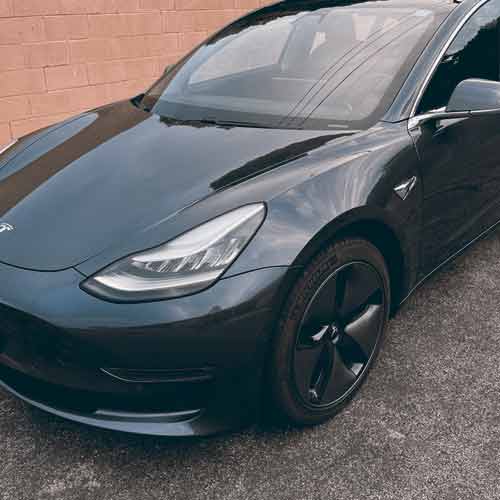
Tesla Model 3

Bridgestone Turanza QuietTrack vs Michelin Primary MXM4

So which tire is better overall? Well its not really that simple as both of these boys shine in various performance aspects. The Turanza, with its less sticky rubber composition and stiffer compound, offers superior fuel efficiency, enhanced tread longevity, but yes this also explains why its less capable in terms of traction particularly on dry surfaces. Though it also lacks to Primacy when it comes to wet performance. Speaking of which the Michelin MXM4 shines when it comes to dry , wet and icy surfaces providing superior steering responsiveness in particular. Though the tire still falls short in hydroplaning resistance and overall comfort. Basically, the Turanza outperforms in noise reduction and impact comfort, utilizing advanced technologies and sound-absorbing materials, whereas the Primacy MXM4's harder structure results in a noisier, less comfortable ride.

Standard Touring All-Season Tires

Best Standard Touring All-Season Tires

So overall standard touring category provides a lot of good all-season tire options, offering a great balance between dry traction, longevity, and fuel efficiency, all at a reasonable price. These tires are characterized by their impressive tread life, often exceeding 70k miles, and are designed with mostly symmetrical tread patterns for year-round use (though some like Kinergy PT also offer asymmetrical design. So, whether you prioritize winter performance, tread longevity, wet traction, comfort, or fuel efficiency, this comprehensive guide has highlighted the best options in each category. From the winter-ready Continental TrueContact Tour to the fuel-efficient Michelin Energy Saver to an all rounder Goodyear Maxlife, each tire excels in specific performance areas, ensuring you find the perfect fit for your driving needs. I will keep on updating this list as I test these tires further or find some better ones to replace them. Do let me know if you have any questions in the comment section below.

Turanza AS6 on Mercedes-Benz C-Class

Michelin CrossClimate 2 vs Bridgestone Turanza All Season 6

Wrapping up, its clear that choosing the right tire here is tricky as it's all about weighing the pros and cons. I mean both tires offer distinct advantages, so there's no outright winner in this comparison. The CrossClimate 2 dominates in dry performance, particularly offering superior longitudinal grip, though also leads in overall handling. Whereas the Turanza All Season 6 is the best tire to have for wet braking and yes it's also having an upper hand in terms of steering response and wet cornering too. Though in terms of hydroplaning resistance, not so much. For winter conditions, the CrossClimate 2's design and material composition give it an edge, providing better traction and handling on snowy surfaces. And yes Michelin also leads in providing superior overall comfort. However it lacks to Bridgestone tire in terms of fuel economy and tread longevity.

WRG4 on Chevrolet Malibu LS

Nokian WRG4 vs Firestone WeatherGrip

So overall its clear that picking the right tire here involves weighing different factors, as both have unique advantages. Meaning, it's not a simple decision, with no clear-cut winner. The Nokian WRG4 shines in dry performance, offering superior grip and handling, especially notable in sharp turns and braking efficiency. Plus it also leads the way in wet conditions, excelling in both traction and hydroplaning resistance due to its better biting sipes which also help it achieve superior grip BTW on ice. Though on snowy roads, the Firestone WeatherGrip is better. Speaking of this tire, it also provides superior tread longevity and fuel economy and is quieter too. Though could use some help in terms of impact comfort performance.

Tested on Audi Q8 Premium

Continental AllSeasonContact vs Contact 2

In summing up, both Continental boys here bring a lot to the table in terms of dry performance, wet handling, winter traction, and overall comfort. The All Season Contact shines with its superior dry stopping power and light snow prowess, thanks to its wider contact area and better-designed lugs. Meanwhile, the All Season Contact 2 takes the lead in icy conditions, wet performance, and noise reduction, benefiting from its plentiful full-depth sipes, flexible design, and a tread that cleverly reduces sound. Both score equally in comfort, offering a well-damped, smooth ride, although certain sizes of the newer tire might feel stiffer due to the Conti-Seal System.

Tested on Benz C250i

Nokian WRG4 vs Michelin CrossClimate 2

In conclusion, both boys here are great all-season tires with distinct advantages. The CrossClimate 2 dominates in dry braking and handling due to its directional tread, interlocking lugs, and balanced contact patch, making it a superior choice for touring. And yes, it also excels in soft snow conditions with its unique lug design that enhances grip. Conversely, the WRG4 shines on icy surfaces with its intricate siping and performs better in wet conditions, offering superior steering feedback and resistance to hydroplaning. And while the CrossClimate 2 yields quietness and fuel efficiency, the WRG4 leads in comfort with its softer, thermally adaptive rubber. So, ultimately, the choice between these two depends on specific performance priorities and driving conditions.

WRG4 on Subaru Outback

Nokian WRG4 vs Bridgestone WeatherPeak

In conclusion, the overall comparison between both tires here bring out some interesting results. The WeatherPeak comes out with superior tread longevity and fuel economy, largely due to its robust rubber compound and lighter construction. Moreover it also offers better directional grip and quicker handling due to its lighter weight and tread design. Though the Nokian WRG4 take the lead in wet conditions with superior aquaplaning resistance and wet traction. And yes it also takes the lead on icy surfaces too (though Bridgestone has the upper hand on snowy terrains). For comfort performance although both tires perform pretty good for their respective categories, the WeatherPeak takes the lead particularly in terms of noise reduction performance.

TrueContact on Kia

Yokohama Avid Ascend LX vs Continental TrueContact Tour

In conclusion, it all comes down to this: choosing the better tire is not straightforward since each excels in various aspects. The Continental TrueContact, with its more voided structure, generates more noise, but excels in wet conditions due to its superior siping and groove design, leading to enhanced hydroplaning resistance and winter traction. Its lighter construction and unique tread design also provide an edge in dry performance, particularly in straight-line grip and overall handling. In contrast, the Avid Ascend LX, benefiting from a stiffer rubber compound and lighter construction, demonstrates better wear resistance and offers slightly higher treadwear warranties. Other than all this, both tires perform similarly in terms of rolling resistance and fuel efficiency, indicating no significant advantage for either in this aspect.

WeatherPeak on Avalon

Bridgestone WeatherPeak vs Turanza QuietTrack

Ultimately, it's challenging to declare a definitive winner, as each tire shines in different performance aspects. The WeatherPeak demonstrates superior grip and handling on both dry and wet surfaces, owing to its unique void design, lighter weight, and sipe flexibility. This tire excels in hydroplaning resistance and winter performance, featuring a thermally adaptive rubber compound and a design optimized for snow traction. On the other hand, the Turanza while slightly inferior in grip and handling due to its heavier weight and less flexible sipes, stands out in tread longevity and noise comfort, attributed to its durable construction and QUIETTRACK technology. But yes, it lacks to Weatherpeak in impact comfort.