Ozmen photo

Tire reviews & comparisons

Ozmen

Hi Folks. I'm Ozmen, and I work as a tire designer. I understand finding a tire isn't easy, as there are so many variables involved. But with me around, tire selection would never bother you again.

Tell If Tires are Directional

How to Tell If Tires are Directional?

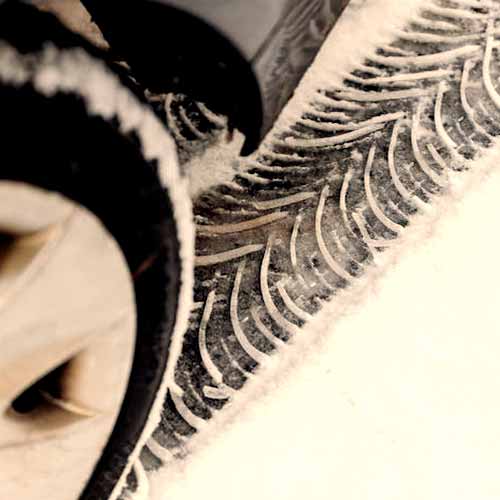
So as the name suggests, directional tires are made for only moving forward, so more specifically, in one direction. So, you can no just put these tires any way you want, you have to make sure they are all facing the same way. And they can't face backwards as that would cause for reduced performance, and traction along with even faster tread wear. That's why its hard to rotate these tires as well. But for safety, these tires are marked with directions and arrows pointing where these tires are intended to roll. Though you can easily tell if your tires are directional by just looking at them. The tread should be making a mirror images on each halves containing V shaped lugs.

Put all-terrain tires on 2WD

Can You Put All-Terrain Tires on a 2WD Vehicle? (Things to Know Before Switching)

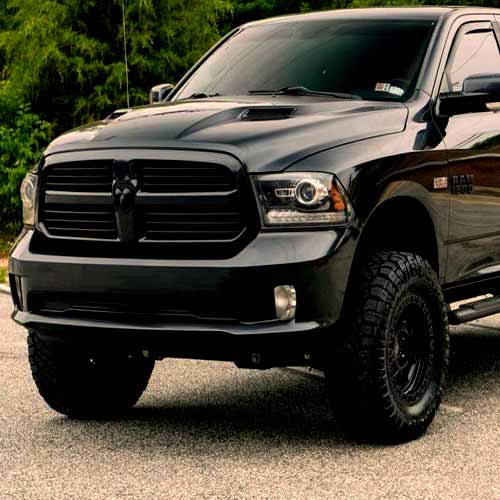
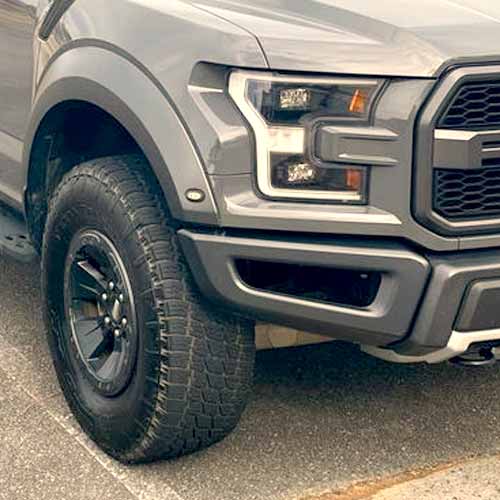
So overall, there are a lot of good things that come with putting an all-terrain tire on your 2 Wheel Drive (2WD) vehicle. Like you get amazing traction over a wide range of surfaces with self-cleaning grooves. You get off-road durability and all-season traction, as most of these tires are very capable and come with 3PMSF severe winter ratings. Though keep in mind that with heavier weight, the tire will eat up more fuel and wear faster. And on-road, you would also get a less comfortable drive as well. Bottom line: If you actually go off-road, even occasionally, all-terrain tires on your 2WD are a solid upgrade. If you never leave pavement, stick with highway tires. Your wallet and your backseat passengers will thank you. Before buying, always check your vehicle's tire placard for proper size and pressure specs. And whatever you choose, maintain proper inflation, rotate regularly, and inspect your tires often. That's the real secret to getting the most out of any tire.

All-Terrain Tires Wear Faster

Do All-Terrain Tires Wear Faster?

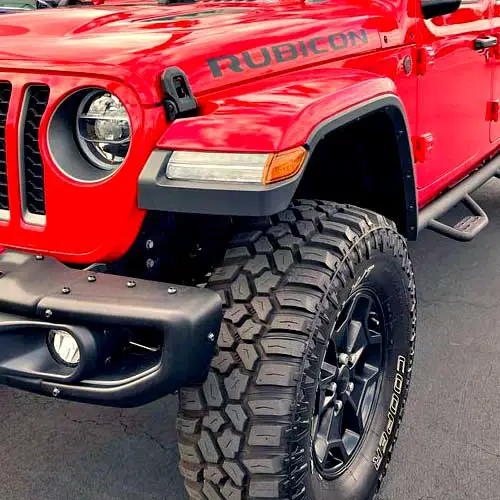
Compared to on-road options, all-terrain tires would always wear a little faster, because they have more weight, a comparatively malleable lugs composition, and aggressive biters (generally speaking). All these contribute to rolling resistance, which then burns these tires faster. Though there are still some tires that do great and out of them, one of the top ranking ones in General Grabber A/TX. But not matter what all-terrain tire you have, (or planning to get), you can always increase the tread life, by keeping in mind the road condition's I discussed, keeping optimal pressure and ensuring alignment and rotation is done right.

Radial Tire

What is Radial Tire?

Radial tires are the newest technology in the tire industry. They’re gonna stay best until the airless tires will show up. In summary, radial tires have cords running perpendicular to the direction of travel, providing better handling and fuel economy as well as a longer tread life than bias tires. I hope the article was helpful. Let me know if you have any further questions. Have a safe ride folks!

ZR Mean on a Tire

What does ZR Mean on a Tire?

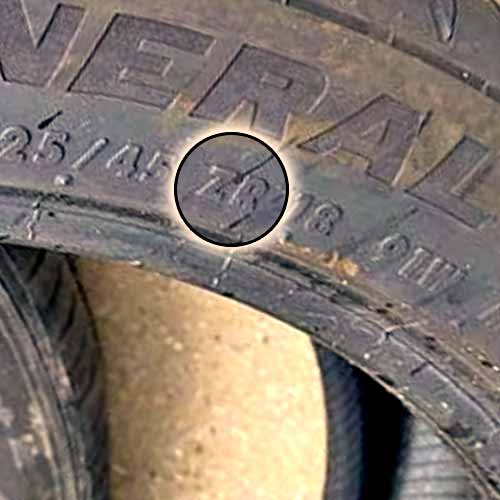
ZR is the old-school way to indicate speed rating, at that time, nobody though they would need such faster tires going above Z, but when high performance tires started coming in, the ZR was changed with Z. R mean radial construction, and its talked about in contrast to the other one, which is bias ply construction. R could also mean speed rating, depending on the position it is in the tire size (seen on the sidewalls).

All-Terrain tire

Are All-Terrain Tires Noisy?

So, to sum up, although all-terrain tires are notorious for being loud on roads, there are some on-road-oriented tires that are better. That's because with an aggressive design, tires having wider grooves and deeper tread voids allow more air to come in through the shoulder gaps and hit around the tread, generating noise. Moreover, some tires have stiffer shoulder lugs, due to the spirally wound inner plies, and these encourage air particles to hit (especially in the middle part of the tread) with full force, generating unwanted sound waves.

Read Tire Size

How To Read Tire Size?

So overall when reading tire size, make sure you know what is the difference between LT and P metric sizes, what is the width and aspect ratio of the tire. What does R (Radial) mean? And how it's different from Bias Ply. And what load and speed ratings suit your drive the most. Lastly some other things to keep in mind is the tire's optimal air pressure values, tread depth, and tire's DOT code (manufacturing date).

All-Terrain Tires Worth It

Are All-Terrain Tires Worth It?

Though it depends on your needs, I think overall for someone who need to go on multiple types of trails, all-terrain tires are really worth it. They are either not too aggressive like rugged or mud terrain tries, nor they are weaker like all season tires. So although with them you have to compromise on overall comfort and traction a little bit on highways, as these tires slow you down a little bit, they are a great all season option otherwise.

Air Pressure Guide For All-Terrain Tires

Air Pressure Guide For All-Terrain Tires

When it comes to all-terrain tires, air pressure plays a crucial role in ensuring safety and performance on different types of terrain such as rocks, mud, sand, gravel, and paved roads. And according to my experience, on rocky terrains, consider keeping air pressure between 18 and 22 PSI. For mud, 17 to 20 PSI, and for sand, below 16 does great. But make sure you know your tires first, and their capability along with size and everything. You can contact me for more help.

Falken Wildpeak AT3w on sand

Are All-Terrain Tires Good On Sand?

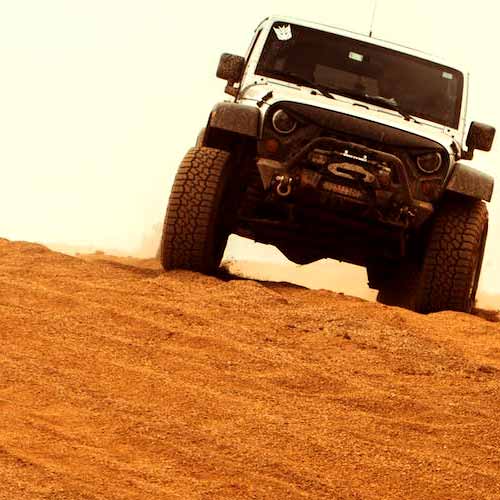
The whole point on sand is to keep tires floating as much as possible, and to do that, tires should be lighter, capable of running lowered air pressure, have softer tread composition and provide thick enough sidewall lugs. And considering all these factors, all-terrain tires don't look so bad. And some of the tires like the Falken Wildpeak AT3w provide ample traction in that area. Check out all the A/T tires: https://tiredriver.com/all-terrain-tires/

All-Terrain Tires Cause Vibrations

Do All-Terrain Tires Cause Vibrations?

When it comes to al-terrain tires, you can expect some limited comfort overall, as their more number of plies internally causes an overall stiffness, resulting in less absorption of vibrations in the tread. Moreover, with bigger grooves, especially on aggressive A/T tires, the tread isn't able to make a consistent contact with the smooth surface, and this causes the ride to get bumpier. But as A/Ts come in a large variety, there are some tires which are actually pretty great at cushioning the bumps, and out of them, the Yokohama G015 ranks on top.

All-Terrain Tires Good In Snow

Are All-Terrain Tires Good In Snow?

All-terrain tires are not so bad when it comes to overall winter performance, and that's the reason why they get to have 3 peak mountain snowflake ratings in almost all of them. Though they can never be better compared to dedicated winter tires, that's for sure. Read Next: https://tiredriver.com/all-terrain-tires/