Ozmen photo

Tire reviews & comparisons

Ozmen

Hi Folks. I'm Ozmen, and I work as a tire designer. I understand finding a tire isn't easy, as there are so many variables involved. But with me around, tire selection would never bother you again.

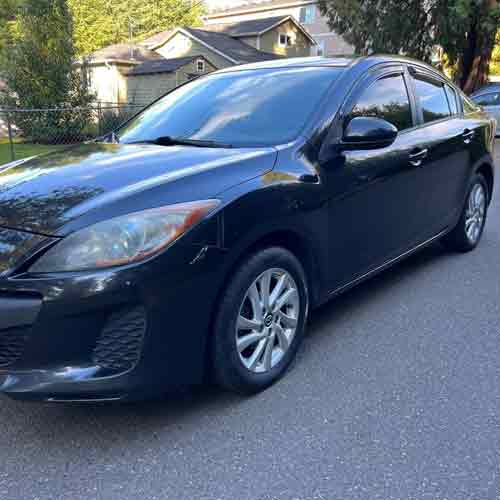
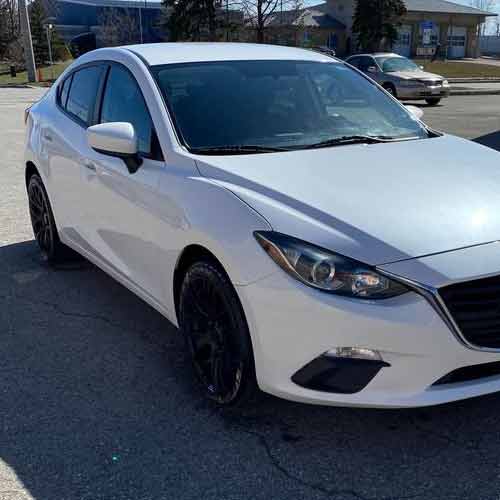
Mazda 3

Pirelli P Zero All Season Plus vs Michelin Pilot Sport All Season 4

When comparing both tires, you get to know that they both have unique strengths. The Michelin Pilot Sport All Season 4 excels in: Directional Grip: Its optimized rubber composition and streamlined rib designs give it a notable edge here. Wet Handling: It shines brighter with a better steering response here. Noise Reduction: It's design minimizes voids, leading to less air particle interaction, reducing noise. While the Pirelli P Zero All Season Plus stands out in: Dry Handling: The tire's asymmetric design, combined with its shoulder lugs and stiffer rubber composition, provides superior handling. Hydroplaning Resistance: Its well-connected circumferential grooves excel at evacuating water effectively. Tread Longevity: Despite its softer compound, it manages to offer a longer tread life warranty, thanks to it's well engineered compound. So overall, the best choice between the two depends on your specific needs and driving conditions.

Continental TrueContact Tour

Continental PureContact LS vs TrueContact Tour

So overall it comes down to your specific needs as both tires have their strengths. The PureContact excels in: Superior ride comfort due to its Comfort Ride Technology and +Silane additives. Enhanced grip on snowy terrains owing to more pliant rubber composition. Better fuel economy which comes from its softer compound and EcoPlus Technology. On the other hand, the TrueContact shines in: Reduced road noise thanks to its denser polymer composition. Longer tread life as evidenced by its higher UTQG treadwear rating. Better overall handling due to its superior steering responsiveness.

Cooper Endeavor Plus

Cooper Endeavor Plus vs Goodyear Assurance MaxLife

So overall, both tires prove to have their unique strengths and areas of improvement across different driving scenarios. Let me break it down. Goodyear Assurance MaxLife stands out in: Linear grip and braking, attributed to its central ribs and lighter construction. Dry handling, where it excels in entry, mid-cornering, and exit phases. Fuel economy, as its lightweight structure and stiffer rubber composition reduce rolling resistance. Tread wear, with its innovative design and harder rubber offering one of the best tread lives in its category and an 85k-mile warranty to back it up. On the other hand, the Cooper Endeavor Plus shines in: Wet traction, owing to its superior groove design and softer tread compound, which efficiently manages water. Winter traction, offering better overall grip in soft snow due to its abundant siping and unique design features. Ride quality, providing a slightly quieter experience and consistent ride smoothness.

Goodyear Assurance MaxLife

Continental PureContact LS vs Goodyear Assurance MaxLife

Both tires have their distinct advantages, so it all comes down to your preference, and of course driving conditions. The Continental PureContact LS shines particularly in wet and winter conditions, offering enhanced grip and stability due to its sophisticated siping structure and superior water evacuation mechanisms. Moreover, although the tire lacks in the noise department, it's overall comfort performance is also leading the way, all thanks to its Comfort Plus tech. On the other hand, the Goodyear Assurance MaxLife stands out in dry performance with its exceptional directional grip and steering responsiveness. Moreover, the tire offers superior tread life, fuel economy and is quieter off the two tires.

Kumho Crugen HT51

Kumho Crugen HT51 vs General Grabber HTS60

So overall it all comes down to this. The General Grabber HTS60 stands out in snowy terrains and dry conditions, offering enhanced traction, directional grip, and marginally better fuel efficiency. Furthermore, it provides a quieter on-road experience and boasts superior tread longevity, due to its advanced compounds. On the flip side, the Kumho Crugen HT51 slightly outperforms in wet conditions with better overall handling. And yes, the tire competes closely in ride comfort, effectively absorbing road shocks, but its tread life slightly trails that of the HTS60.

Bridgestone WeatherPeak

Firestone WeatherGrip vs Bridgestone WeatherPeak

So which tire is better? Well both have their pros and cons. let's break it down. The Firestone WeatherGrip excels in: Superior directional grip in dry conditions due to its streamlined design and lighter weight. Impressive snow traction, especially with its snow-adhering attributes. Resisting hydroplaning in wet conditions thanks to its directional tread pattern. Offering a smoother ride experience by effectively absorbing road imperfections due to its softer tread. On the other hand, the Bridgestone WeatherPeak stands out for: Improved wet traction capabilities due to its intricate siping structure. Superior handling in icy conditions, which is again a result of its unique siping and lug design. Extended tread life due to its relatively stiffer rubber compound, promising more durability. Moreover, both tires have equal scores when it comes to their winter performance and fuel efficiency.

Bridgestone DriveGuard Plus

Bridgestone DriveGuard Plus vs Turanza QuietTrack

Although both tires have their strengths and weaknesses, each brings unique attributes to the table. The Bridgestone DriveGuard Plus excels in certain areas like dry cornering and ice traction, making it suitable for specific conditions and preferences. On the other hand, the Turanza QuietTrack, with its superior wet performance, tread life, and ride comfort, positions itself as a top contender in its category. So overall, the right choice between these two depends on your specific needs, whether you prioritize performance, longevity, comfort, or a mix of these factors.

Yokohama Advan Sport AS Plus

Yokohama Advan Sport AS Plus vs Continental ExtremeContact DWS06 Plus

Both tires have their own strengths and areas of specialization, so it all comes down to your specific needs. The Continental ExtremeContact DWS06 Plus distinguishes itself with superior overall handling, particularly in wet conditions, showcasing superior steering traction and hydroplaning resistance. This is attributed to its well designed elements that enhance wet traction and ensure efficient water evacuation. Yokohama Advan Sport A/S+, on the other side, excels in dry performance, particularly in the domain of directional grip, and further stands out in terms of fuel efficiency and ride smoothness. Moreover, although it handles minor road inconsistencies well, it needs some help dealing with larger bumps, though my overall subjective testing here puts Yokohama better, still.

Kumho Crugen HT51

Kumho Crugen HT51 vs Michelin Defender LTX MS

Upon a comprehensive analysis of both tires, it can be seen that they both have their clear differences. The Michelin Defender LTX MS generally holds an advantage, particularly in dry performance. While its competitor has its merits, especially in winter conditions, where it also offers 3-Peak Mountain Snowflake certification. Moreover, the Michelin consistently outperforms in aspects of fuel efficiency, tread longevity, and ride comfort. And both tires exhibit comparable noise reduction capabilities.

Firestone Destination LE3

Firestone WeatherGrip vs Destination LE3

Both tires showcase unique strengths, addressing different needs in the market. For the Firestone Destination LE3, its advantages lie in a longer tread life due to a stiffer rubber composition, a controlled absorption of larger road irregularities, better fuel economy thanks to its lighter weight and stiffer compound, and notable dry grip as a result of its broader rubber contact patch. On the other hand, the WeatherGrip shines with its superior wet traction, courtesy of its sipe structure and directional pattern, its adeptness at handling snowy conditions with its specialized design, and its ability to cushion minor road imperfections with a more pliant rubber. In terms of noise generation, WeatherGrip tends to be louder due to its pronounced voids. So ultimately, the choice between the two will depend on your specific preference.

Firestone Destination LE3

General Grabber HTS60 vs Firestone Destination LE3

Both tires have their strengths and weaknesses, offering different advantages in various conditions. Starting with the Firestone Destination LE3, this tire offers impressive dry longitudinal grip, and overall handling, superior wet traction, and enhanced fuel economy, mainly attributed to its lighter construction and specialized tread design. It also stands out in tread wear, despite its shallower tread depth, due to its robust rubber compound. On the other hand, the General Grabber HTS60 shines in winter performance with better snow-to-snow contact and excels in impact comfort, owing to its dedicated shock-absorbing layer and deeper tread depth. Moreover, while the Grabber offers reduced road noise due to its densely packed shoulder area, the Firestone still manages to outperform it with its advanced variable pitch technology.

Michelin Primacy Tour A/S

Michelin Latitude Tour HP vs Primacy Tour AS

Both tires have their unique strengths. The Michelin Latitude Tour HP impresses with handling in dry conditions, attributed to its firmer composition and internal nylon cords, while its competitor excels in wet conditions due to superior siping and water management. Moving towards other performance metrics, the Michelin Primacy Tour AS offers a longer lasting tread, due to its lighter weight and deeper tread, where it also offers a slightly quieter ride as well. Though both tires have similar fuel efficiencies.