If you want the short expert answer, here it is: usually, no, you should not replace just one tire. In most cases, the safest choice is to replace all four tires together. If that is not realistic, the next-best option is usually to replace two tires as a pair and install the newer pair on the rear axle. A single-tire replacement is more of an exception than a standard recommendation.
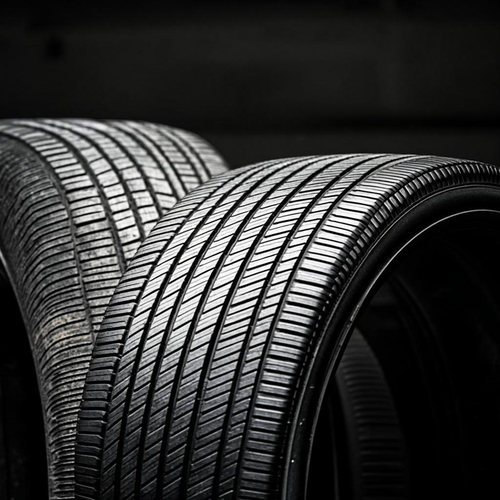
That is because one brand-new tire can have a different tread depth, rolling circumference, traction level, and overall behavior than the other three. Those differences can affect handling, wet-road stability, tread wear, and, on some vehicles, even drivetrain health.
Quick Answer
You generally should not replace just one tire unless the other tires are still very close in tread depth, the replacement tire matches the vehicle’s required size/load/speed specs, and your vehicle manufacturer or tire professional says it is acceptable. If only one tire must be replaced, industry guidance says to pair the new tire with the tire that has the deepest remaining tread and put both on the rear axle.
For AWD and 4WD vehicles, the rules are stricter. Even small differences in tire diameter or tread depth can strain driveline components, and many manufacturers recommend replacing more than one tire, or even all four, depending on the vehicle.
Key Takeaways
- Best case: replace all four tires together.
- Next best: replace two tires as a pair and put the newer pair on the rear axle.
- If one tire must be replaced, pair it with the tire that has the deepest tread and place both on the rear axle.
- AWD/4WD vehicles often need much tighter tread-depth matching and may require replacing more than one tire.
- Replacement tires should match the vehicle’s required size, load index, and speed rating.
Why Replacing Just One Tire Is Usually a Bad Idea
The main problem is not just that the new tire looks different. It behaves differently.
A new tire usually has deeper tread than a worn tire, and deeper tread changes how the tire grips, evacuates water, and rolls under load. That mismatch can create handling differences side to side or front to rear, especially on wet roads where the newer tire may resist hydroplaning better than the older ones.
Replacing just one tire can also negatively affect suspension behavior, tire treadwear, and, depending on the vehicle, even transmission or driveline systems. That is why USTMA guidance treats single-tire replacement as something to avoid unless it is truly unavoidable.
The Best Option: Replace All Four Tires
Replacing all four at the same time is the cleanest solution because all four tires will have the same tread depth, the same performance characteristics, and the same basic road behavior. That helps preserve the vehicle’s designed handling balance and avoids the mismatch problems that come with mixing new and worn tires.
This matters even more if the vehicle is sensitive to tread-depth differences, which is common with AWD systems.
The Next-Best Option: Replace Two Tires as a Pair
If four new tires are not in the budget, replacing two is usually the next-best move. When replacing two tires of the same size and construction, guidance from USTMA, Bridgestone, and Goodyear says the newer or deeper-tread pair should go on the rear axle, even on front-wheel-drive vehicles.
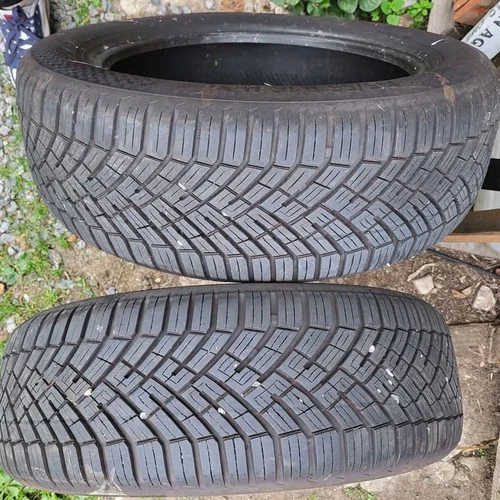
That advice surprises a lot of people, because many assume the newest tires should go on the drive axle or steering axle. The reason they go on the rear is stability: deeper-tread tires on the rear axle better resist hydroplaning and help reduce the risk of oversteer and rear-end instability on wet roads.
So When Can You Replace Just One Tire?
There is a narrow window where it may be reasonable.
A single-tire replacement can sometimes make sense if the other tires are still fairly new, the tread-depth difference is small, the replacement tire is the same size and close-match spec, and the vehicle is not one of those AWD/4WD systems that are very sensitive to tire diameter differences. Even then, the safest general guidance is to pair that single new tire with the tire that has the deepest tread of the remaining three and put both on the rear axle.
What counts as “close enough” is not universal. Tire Rack’s summary of manufacturer guidance shows that some AWD makers want tires within about 2/32, 3/32, or 4/32 inch, while others use different limits such as circumference or percentage of remaining tread. That is why a single hard rule is dangerous here. The real answer is: check your owner’s manual.
Why AWD and 4WD Vehicles Are Different
On many AWD and 4WD vehicles, mismatched tires do more than change handling. They can create continuous differences in rolling circumference that the driveline has to absorb all the time.
Over time, that can cause excess heat, binding, or component wear. Goodyear specifically warns that even small variances in outside diameter can cause drivetrain damage or mechanical malfunction, and Tire Rack documents brand-specific tread-depth limits from multiple manufacturers.
So on AWD or 4WD, “just swap one tire and move on” is often the most expensive cheap decision you can make.
What the Replacement Tire Must Match
If you replace one tire, or even two, the replacement should match the vehicle manufacturer’s recommendations for:
- tire size
- load index
- speed rating
USTMA says replacement tires should be the same size, load index, and speed rating recommended by the vehicle or tire manufacturer, and they should not have a smaller size or lower load-carrying capacity than specified.
It is also smart to stay with a matching tire model when possible. Michelin notes that even tires in the same size can have different tread patterns and performance behavior, so matching tires are preferred.
Can You Mix Different Tire Types?
Generally, you should avoid mixing sizes, constructions, or very different tread types unless the vehicle manufacturer explicitly allows it.
Goodyear’s replacement guidance says not to mix sizes, not to mix radial and bias-ply constructions, and not to mix tread patterns such as all-season and all-terrain on AWD/4WD vehicles. Michelin also advises that mixing different brands or models can change performance because tread patterns and behavior differ.
That does not mean every mixed set instantly becomes unsafe, but it does mean a general-purpose article should recommend matching tires whenever possible.
What About Winter Tires?
Winter tires should be treated as a full set, not a partial patch. Bridgestone says winter tires are best applied to all wheel positions, and specifically warns against putting only two winter tires on the front axle without also mounting them on the rear, because that increases the risk of losing rear traction while braking or cornering. Michelin likewise says mixing winter tires with non-winter tires can hurt stability.
So if you are switching seasonal tires, think in fours, not ones or twos.
Can Tire Shaving Help?
Sometimes, yes.
If the other tires are still in good shape and the only issue is that one new tire is too tall compared with the rest, a shaved replacement tire can sometimes be used to bring tread depth closer to the remaining tires. Tire Rack notes that some manufacturers allow very tight tread-depth matching and also offers tire shaving for that reason.
That is not a universal fix, and it is not right for every vehicle, but it is a real option worth asking about, especially for tread-sensitive AWD vehicles.
The Safest Decision Tree
If one tire is damaged, this is the simplest way to think about it:
Best: replace all four.
Better: replace two as a pair and put the newer pair on the rear.
Only if unavoidable: replace one, but only after checking tread-depth difference, matching the vehicle specs, and confirming the vehicle manufacturer’s rules. Then pair the new tire with the deepest-tread remaining tire and place both on the rear axle.
Important Guidance
When Replacing One Tire Is Not the Best Option
If that is not possible, replace two tires as a pair and install the newer tires on the rear axle. If one-tire replacement is truly unavoidable, do it only after checking the vehicle’s manual, matching the tire specs exactly, and making sure tread-depth differences stay within what the manufacturer allows.
Helpful Answers
Frequently Asked Questions
Quick answers to the most common questions about replacing one tire, pairing tires correctly, and avoiding handling or drivetrain problems.
01 Can I replace just one tire on a front-wheel-drive car?
Sometimes, but only if the tread-depth difference is still small, the replacement matches the required specs, and the vehicle manufacturer does not prohibit it. If unavoidable, the safer approach is to pair the new tire with the deepest-tread remaining tire and put both on the rear axle.
02 Can I replace just one tire on an AWD car?
Often, no. Many AWD vehicles are sensitive to tread-depth and diameter differences, and some manufacturers require all tires to stay within a very narrow range of one another. Always check the owner’s manual before replacing just one tire.
03 Why do new tires go on the rear?
Because deeper-tread tires on the rear axle help preserve wet-road stability and reduce the risk of oversteer and rear-end loss of control.
04 Do replacement tires need the same speed rating and load index?
Yes, replacement tires should match the vehicle manufacturer’s recommendations for size, load index, and speed rating.
05 Can I mix all-season and all-terrain tires?
It is generally not recommended, especially on AWD or 4WD vehicles, unless the vehicle manufacturer specifically says it is acceptable.
06 Can a shaved tire solve the problem?
Sometimes. Tire shaving can bring a new tire closer to the remaining tread depth on the other tires, but whether it is appropriate depends on the vehicle and the manufacturer’s rules.
Final Answer
Can you replace just one tire? Usually, no. It is not the preferred fix, and on many vehicles it is the wrong one. The safest route is to replace all four tires together. If that is not possible, replace two as a pair and install the newer tires on the rear axle. If one-tire replacement is truly unavoidable, do it only after checking the vehicle’s manual, matching the tire specs exactly, and making sure tread-depth differences stay within what the manufacturer allows.
