Ozmen photo

Tire reviews & comparisons

Ozmen

Hi Folks. I'm Ozmen, and I work as a tire designer. I understand finding a tire isn't easy, as there are so many variables involved. But with me around, tire selection would never bother you again.

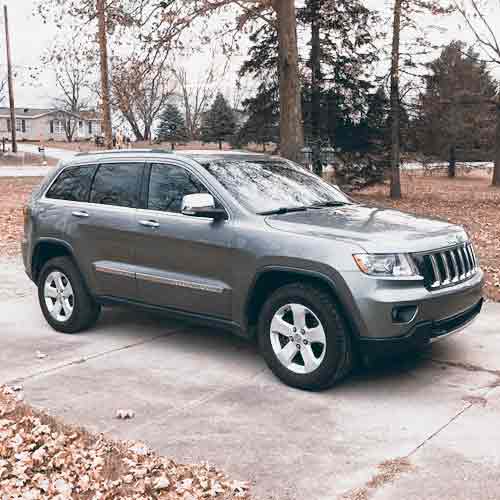
Continental on Cherokee

General Grabber APT vs Continental TerrainContact A/T

So the tire choice here boils down to what you value most. I mean with each tire showcasing distinct strengths, it's difficult to crown an overall champion. The Continental excels in dry grip, wet traction, and noise reduction, with better braking distances and hydroplaning resistance. In contrast, the Grabber APT shines in handling, off-road capabilities, impact comfort, and winter performance, outperforming in lateral traction, sand and light mud conditions, and snow handling due to its 3-peak mountain snowflake rating. Overall, while both tires have their specialized areas, the Grabber APT stands out in more challenging conditions, and the Continental A/T in everyday driving comfort (in terms of noise), and safety.

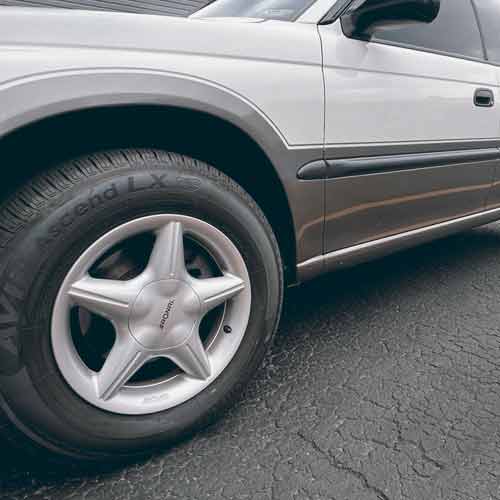
Yokohama Avid Ascend LX on Subaru Legacy

Yokohama Avid Ascend GT vs LX

Speaking of Ascend GT first. While its lateral grip and steering response also impress, it's the LX's superior handling through all cornering phases that truly stands out. On the wet front, though, the GT takes the lead, especially with its siping and groove design enhancing traction and hydroplaning resistance. And same is the case for winter conditions, where the GT offers higher speeds and ensuring better grip. However, in terms of tread life and fuel economy, the GT's softer rubber and heavier build increase rolling resistance and decrease longevity, whereas the LX offers a longer treadwear warranty, highlighting its durability. Noise and ride comfort see the LX mitigating noise more effectively and the GT providing a smoother experience over bumps.

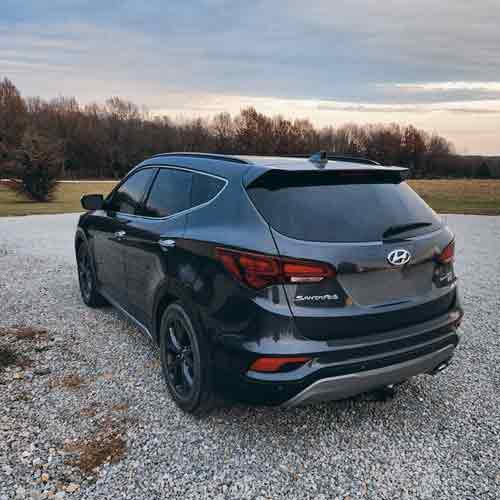
Quatrac Pro on Santa FE

Vredestein Quatrac Pro vs Quatrac 5

In summary, the Quatrac 5 outperforms its successor, the Quatrac Pro, in dry performance due to its superior braking and lateral grip, thanks to a more expansive central tread and well-designed shoulder blocks. And while the Pro excels in wet conditions with its enhanced siping and softer rubber, it falls slightly behind in dry handling and fuel efficiency. The Pro's softer composition, though beneficial for comfort and winter traction, leads to increased rolling resistance and energy loss. Both tires showcase their strengths, with the Quatrac 5 leading in dry performance and the Pro in wet and winter conditions, but there's a trade-off between grip and fuel economy, particularly for the Quatrac Pro.

Michelin Primacy Tour A/S

Pirelli Scorpion Verde All Season vs Michelin Primacy Tour A/S

So overall, both tires have their strengths. Here, the Michelin excels on ice with superior grip and braking, thanks to its ice-oriented siping, while the Pirelli dominates in snow due to its thick sipes and snow-adhering design. For overall comfort, the Pirelli leads with its noise-cancelling tech and smoother ride, though it's worth noting neither tire boasts the 3-peak mountain snowflake rating, suggesting there are better specialized options available. In wet conditions, the Pirelli's siping and groove design offer excellent water clearance and handling, outpacing the Primacy Tour's less flexible siping but not its wet braking. Dry performance sees a close match in grip, but the Michelin's superior design provides better braking and mid-corner stability.

Pirelli Scorpion Verde AS

Pirelli Scorpion AS Plus 3 vs Verde All Season

In sum, both the Pirelli Scorpion Verde All Season and the Scorpion AS Plus 3 have their strengths and weaknesses across various performance metrics. The Verde All Season offers superior dry braking and noise reduction, thanks to its specialized tread design and noise-canceling tech. However, it falls short in wet conditions and fuel efficiency, where the AS Plus 3 shines with its advanced siping and leaner build. The AS Plus 3 also leads in comfort and winter traction, making it a versatile choice despite some handling drawbacks. Ultimately, the right tire depends on your specific needs, balancing dry performance, handling, comfort, winter safety, and fuel economy.

Hypertrac on Maserati

Vredestein Hypertrac vs Michelin Pilot Sport All Season 4

As we near the end of our comparison, let's review how both tires fare against each other. The Michelin tire stands out for its superior braking performance, particularly in both wet and dry conditions. Actually this aspect of the tire is its strongest of all suits. But yes, it also excels in overall handling in both these areas too, compared to HyperTrac. Moreover, although you get varying results on winter performance, things are still slightly better on Michelin tire. Though Vredestein takes the lead in terms of overall road comfort, where it offers better noise reduction, and dampening against road bumps. And yes the tire also provides you with slightly better tread longevity too.

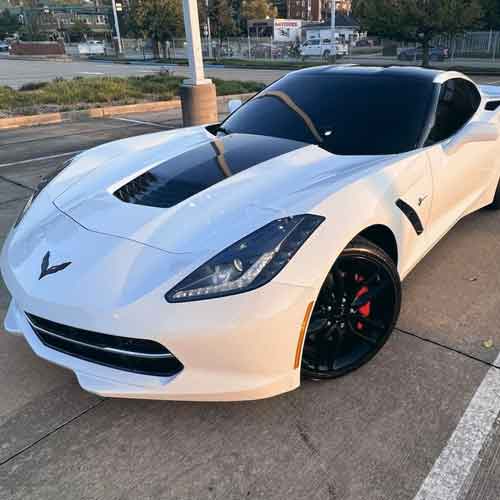
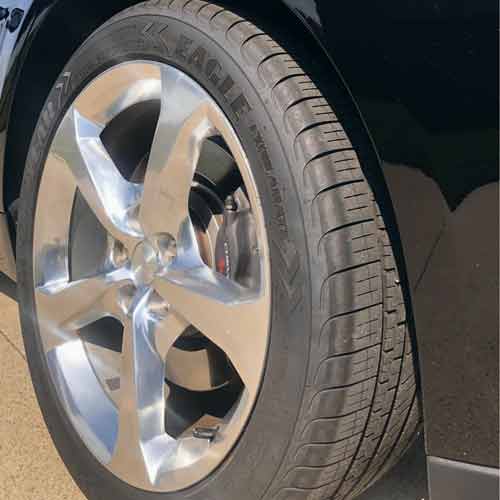
Eagle Exhilarate on Corvette

Goodyear Eagle Exhilarate vs Bridgestone Potenza RE980AS+

In conclusion, both of these tires demonstrate distinct strengths and weaknesses in their performance. The Eagle Exhilarate excels in linear grip, but lacks to Bridgestone's tire in terms of handling. Similarly, while the Goodyear provides you with a quieter ride, it lacks to its counterpart in mitigating road impacts. But yes it offers better fuel economy and tread life for sure. The Potenza RE980AS+ on the other hand, shines in wet and winter performance, providing you with superior grip, handling, and resistance to hydroplaning.

Eagle Exhilarate on Camaro

Michelin Pilot Sport All Season 4 vs Goodyear Eagle Exhilarate

Closing in on our comparison's conclusion, let's examine how both tires stack up. Now out of both boys here, the Michelin excels in the braking department, offering superb performance in both wet and dry conditions. Though the Goodyear takes the lead in overall handling in both these conditions. In winter environments, though, we have a clear winner, the Pilot Sport AS4, where the Eagle tire lacks a lot. Other than this, you get one of the best ranking performances (in its UHPAS category), on Goodyear Exhilarate, in terms of noise comfort. And yes the tire also ranks here in terms of impact comfort too. Lastly, fuel efficiency and treadwear are comparable for both tires, with each mitigating rolling resistance through their reinforced structures and stable construction.

Mazda RX8 installed with Kumho

Kumho Ecsta PA51 vs Continental ExtremeContact DWS06+

Now out of both boys here, the Continental tire excels in linear grip, and provides better overall handling, even though it lacks behind in terms of lateral traction. The tire also excels in wet conditions offering better performance in almost all aspects, including hydroplaning resistance. Though it lacks to its Kumho counterpart, in terms of noise reduction, and overall comfort. But since its one of the heaviest tires in its UHP all-season category, it makes sense why it lacks to ExtremeContact in terms of fuel economy and tread longevity.

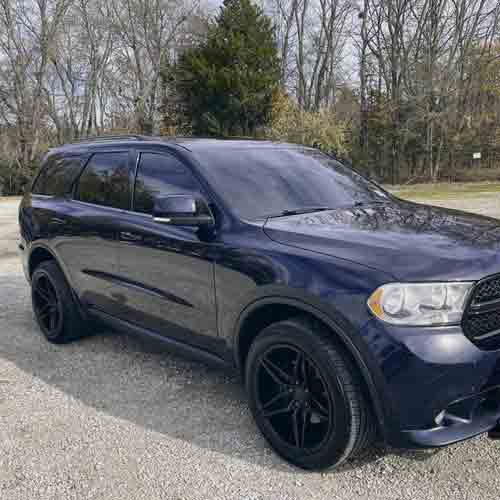
Alenza AS Ultra on Dodge Durango

Michelin Latitude Tour HP vs Bridgestone Alenza AS Ultra

For those seeking a quick overview, here's my concise summary. Now out of both tires, the Latitude Tour HP excels in dry-road braking, offering superior stopping power, and yes, it also leads to overall handling, providing better lateral grip and steering responsiveness. Though it lacks in wet condition, with lacking wet traction and hydroplaning resistance. And speaking of drawbacks, the tire also doesn't fare so well, in terms of fuel economy and overall tread longevity. On the other hand, the Alenza AS Ultra shines on slicker, icy and wet surfaces and offers a quieter ride quality with its QUIETTRACK technology. And speaking of ride quality, the Bridgestone's tire also excels in providing superior impact comfort performance.

Alenza AS Ultra

Pirelli Scorpion AS Plus 3 vs Bridgestone Alenza AS Ultra

Almost at the finish line in our comparison, let's see how these two tires are stacking up. Now, here the Pirelli AS Plus 3 is standing out in dry-road performance, especially in the linear grip, contributing to shorter braking distances. Moreover, it also offers decent ice performance, due to its various combination of sipes. However, it tends to be noisier and underperforms in mid-corner handling due to its heavier weight. The Bridgestone tire, on the other hand, shines in wet-road performance, where you get better wet traction and resistance to hydroplaning. And yes it also leads in terms of snow handling. Other than this, the tire is quieter off the two, and offers greater tread longevity, and efficacy in absorbing smaller road bumps, though in terms of larger ones, Pirelli takes the lead. Though it can improve slightly in terms of fuel economy.

Benz E 350

Vredestein Hypertrac All Season vs Quatrac Pro

With all the twists and turns in our comparison, let’s steer towards the conclusion. Now, here the Quatrac Pro leads in dry-road braking, though lacks to its high performing counterpart in terms of steering and handling. Wet conditions also bring out varying results, where although HyperTrac provides superior hydroplaning resistance, the overall wet traction is better on its counterpart. On snow though, we have QuaTrac Pro as a clear winner, and yes, the tire also performs better in bumps reduction, and overall in terms of fuel economy and tread life, though lacks to its counterpart, in terms of noise dampening performance.