Ozmen photo

Tire reviews & comparisons

Ozmen

Hi Folks. I'm Ozmen, and I work as a tire designer. I understand finding a tire isn't easy, as there are so many variables involved. But with me around, tire selection would never bother you again.

Defender 2 on Audi Q5

Bridgestone Turanza QuietTrack vs Michelin Defender 2

In conclusion, when it comes to tread longevity, dry performance, MPG efficiency, and overall comfort, the Michelin Defender 2 emerges as a top contender in the all-season category, outshining the Bridgestone Turanza QuietTrack in several aspects. Its lighter structure, advanced MaxTouch and EverTread technology, and efficient design contribute to its superior longevity, better fuel efficiency, and quieter ride. However, when the roads get wet or snowy, the Turanza QuietTrack takes the lead with its intricate groove patterns and superior wet and snow traction, offering a safer and more comfortable drive in adverse conditions. So at the end of the day, it all comes down to your specific driving needs, and conditions.

Goodyear Vector 4Seasons Gen 3

Hankook Kinergy 4S2 vs Goodyear Vector 4Seasons Gen 3

So overall, both tires have their strengths in different performance areas. On dry pavement, the Goodyear Vector 4Seasons takes the lead with better directional grip, handling, and superior voids for water displacement, making it less prone to hydroplaning. However, the Hankook excels in wet traction due to its more effective siping, offering shorter braking distances and quicker lap times. In winter conditions, Kinergy 4s2 performs slightly better on ice while Goodyear leads in light snow. Other than this, noise comfort is more optimal with the Hankook due to its strategic tread design and pitch sequencing, reducing in-groove resonance. And in terms of wear resistance, both tires are closely matched, though Goodyear still edges out a little bit due to its lighter build and well-distributed tread design.

Continental Dws06 plus

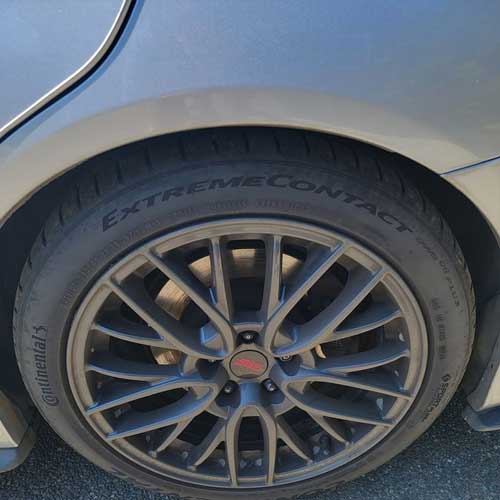
Yokohama Avid Ascend GT vs Continental ExtremeContact DWS06+

In conclusion, comparing both tires here, each have distinct strengths. The Continental DWS06+ excels in dry grip and handling, while the Yokohama offers superior comfort and longer tread life. Moreover, surprisingly, both perform equally well in winter conditions. Other than this, the Yokohama is quieter and absorbs road imperfections better, while the Continental provides better wet traction and resistance to hydroplaning. So ultimately, choosing between them depends on prioritizing comfort and longevity (Ascend GT) or handling and wet performance (ExtremeContact).

Primacy Tour A/S

Michelin Pilot Sport All-Season 4 vs Primacy Tour A/S

In assessing dry performance, both Michelin boys show remarkable lateral traction, where the PSAS4 takes the lead with faster handling and superior stability due to its enhanced internal structure and reduced lug flexing. And while the Primacy Tour AS performs well in noise reduction and ride comfort, thanks to its intricate tread and pliable rubber, the Pilot Sport excels in wet conditions with its dense siping and multi-directional grip. Other than this, both tires offer comparable fuel efficiency, although their approaches differ. And in winter conditions, the PSAS4's snow-to-snow contact and comprehensive siping give it an edge, while the Primacy remains a strong contender with its flexibility and versatile traction.

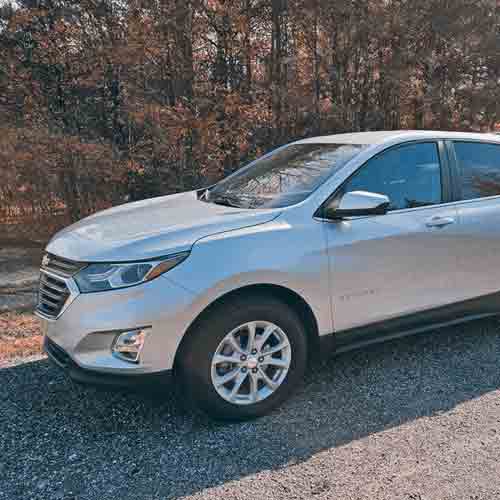
Dynapro HT RH12 on Equinox

Hankook Dynapro HT RH12 vs Michelin Defender LTX MS

Overall, each tire has its strengths and weaknesses, making the choice dependent on specific needs and conditions. The Dynapro HT yields superior dry performance due to its sleek, longitudinally aligned ribs. However, it falls short in wet grip and hydroplaning resistance, where the Michelin LTX MS excels with its intricate siping, interconnected grooves, and open tread design. And while both tires lack the 3-Peak Mountain Snowflake certification, indicating limitations in severe snowy conditions, the Defender slightly leads with its winter traction features. Noise reduction is better managed by the Hankook's tire due to its closed-off lateral voids and optimized tread pattern. Though the tire lacks in terms of overall tread longevity.

Nokain SeasonProof on Ford Edge.

Nokian SeasonProof vs WeatherProof

So overall both tires have a lot going on here, but to simply things, The Nokain Weatherproof excels when it comes to wet conditions, as the tire offers better ability to efficiently expel water, ensuring stability, superior wet grip, and resistance to hydroplaning. Moreover, the tire also takes the lead in dry conditions, mainly due to its smaller weight. In contrast, the Nokian SeasonProof focuses more on winter traction, boasting features that enhance its grip and handling in snowy conditions. And yes, it also offers a relatively quieter ride, and superior comfort, effectively absorbing road vibrations. Though it can use some help in terms of fuel economy.

Crosscontact LX25 on Santa FE SUV

Continental TrueContact Tour vs Crosscontact LX25

In conclusion, when weighing up all the factors from dry performance to fuel efficiency, the Continental TrueContact Tour consistently stands out. Its superior dry handling, particularly in cornering and braking, sets it apart, while its design allows for effective snow grip and enhanced fuel efficiency. Despite being slightly noisier and a bit behind in wet conditions, its advantages in other areas, like its commendable longevity and eco-friendly features, make it a versatile and responsible choice. On the other hand, the Continental CrossContact LX25, while falling short in some aspects like dry handling and noise comfort, does offer better performance on icy surfaces and in wet conditions, highlighting the importance of choosing a tire that aligns with your specific driving needs and conditions.

Continental on Cherokee

General Grabber APT vs Continental TerrainContact A/T

So the tire choice here boils down to what you value most. I mean with each tire showcasing distinct strengths, it's difficult to crown an overall champion. The Continental excels in dry grip, wet traction, and noise reduction, with better braking distances and hydroplaning resistance. In contrast, the Grabber APT shines in handling, off-road capabilities, impact comfort, and winter performance, outperforming in lateral traction, sand and light mud conditions, and snow handling due to its 3-peak mountain snowflake rating. Overall, while both tires have their specialized areas, the Grabber APT stands out in more challenging conditions, and the Continental A/T in everyday driving comfort (in terms of noise), and safety.

Yokohama Avid Ascend LX on Subaru Legacy

Yokohama Avid Ascend GT vs LX

Speaking of Ascend GT first. While its lateral grip and steering response also impress, it's the LX's superior handling through all cornering phases that truly stands out. On the wet front, though, the GT takes the lead, especially with its siping and groove design enhancing traction and hydroplaning resistance. And same is the case for winter conditions, where the GT offers higher speeds and ensuring better grip. However, in terms of tread life and fuel economy, the GT's softer rubber and heavier build increase rolling resistance and decrease longevity, whereas the LX offers a longer treadwear warranty, highlighting its durability. Noise and ride comfort see the LX mitigating noise more effectively and the GT providing a smoother experience over bumps.

Quatrac Pro on Santa FE

Vredestein Quatrac Pro vs Quatrac 5

In summary, the Quatrac 5 outperforms its successor, the Quatrac Pro, in dry performance due to its superior braking and lateral grip, thanks to a more expansive central tread and well-designed shoulder blocks. And while the Pro excels in wet conditions with its enhanced siping and softer rubber, it falls slightly behind in dry handling and fuel efficiency. The Pro's softer composition, though beneficial for comfort and winter traction, leads to increased rolling resistance and energy loss. Both tires showcase their strengths, with the Quatrac 5 leading in dry performance and the Pro in wet and winter conditions, but there's a trade-off between grip and fuel economy, particularly for the Quatrac Pro.

Michelin Primacy Tour A/S

Pirelli Scorpion Verde All Season vs Michelin Primacy Tour A/S

So overall, both tires have their strengths. Here, the Michelin excels on ice with superior grip and braking, thanks to its ice-oriented siping, while the Pirelli dominates in snow due to its thick sipes and snow-adhering design. For overall comfort, the Pirelli leads with its noise-cancelling tech and smoother ride, though it's worth noting neither tire boasts the 3-peak mountain snowflake rating, suggesting there are better specialized options available. In wet conditions, the Pirelli's siping and groove design offer excellent water clearance and handling, outpacing the Primacy Tour's less flexible siping but not its wet braking. Dry performance sees a close match in grip, but the Michelin's superior design provides better braking and mid-corner stability.

Pirelli Scorpion Verde AS

Pirelli Scorpion AS Plus 3 vs Verde All Season

In sum, both the Pirelli Scorpion Verde All Season and the Scorpion AS Plus 3 have their strengths and weaknesses across various performance metrics. The Verde All Season offers superior dry braking and noise reduction, thanks to its specialized tread design and noise-canceling tech. However, it falls short in wet conditions and fuel efficiency, where the AS Plus 3 shines with its advanced siping and leaner build. The AS Plus 3 also leads in comfort and winter traction, making it a versatile choice despite some handling drawbacks. Ultimately, the right tire depends on your specific needs, balancing dry performance, handling, comfort, winter safety, and fuel economy.