Ozmen photo

Tire reviews & comparisons

Ozmen

Hi Folks. I'm Ozmen, and I work as a tire designer. I understand finding a tire isn't easy, as there are so many variables involved. But with me around, tire selection would never bother you again.

Cooper Discoverer STT Pro

Cooper Discoverer Rugged Trek vs ST Maxx vs STT Pro

Let me summarize all the things discussed above. The Cooper Rugged Trek shines in terms of fuel efficiency and tread longevity due to its lightweight design and stable lugs. And it also performs admirably in terms of wet and dry traction, thanks to its better structured siping. And although noise isn't the tire's strongest suit, it's still better compared to its bigger brothers, as the tire incorporates Whisper Grooves Technology. Though off-road is where the Cooper STT Pro excels the most, in all departments. But it was surprising to see the STT Maxx lacking a lot here, mainly due to its missing sidewall lugs.

Atturo Trail Blade MT

Atturo Trail Blade AT vs XT vs MT

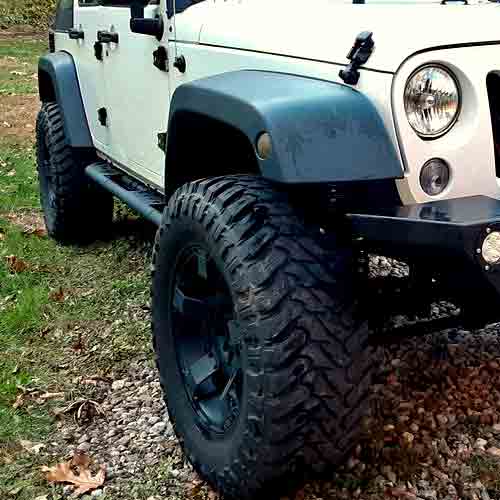
Taking into account all the discussed aspects, including on-road performance, winter conditions, fuel economy and so on, we can summarize the overall assessment of these 3 tires. The Atturo Trail Blade MT impresses with its performance on rough terrains, rock climbing, and in deeper snow, thanks to its robust structure, superior durability, and effective paddling abilities. However, it falls short in terms of fuel efficiency and tread life, given its heavier weight and aggressive tread design. The Atturo Trail Blade AT excels in fuel efficiency and offers commendable tread life, making it a good choice for on-road driving and light (very light I mean) off-roading. Though still, the tire could really use some sidewalls. Finally, the Atturo Trail Blade XT strikes a balance between the MT and AT. It performs reasonably well in most conditions, offering better floating capabilities on sandy terrains and satisfactory performance on snowy paths. However, it lacks the aggressive tread design of the MT (especially form the middle), and so it can't offer decent performance when it comes to harsh off-road terrains. In conclusion, each tire has its strengths and weaknesses, and the choice between them should be dictated by the specific requirements and expected driving conditions.

Kenda Klever AT2

Kenda Klever AT2 vs RT vs MT

The Kenda Klever AT2 stands out for its superior on-road grip, handling, and steering response, owing to its less aggressive design. And other on-road features such as fuel efficiency, comfort, and tread life also lean in the AT2's favor. Interestingly, the Kenda Klever RT does really well in dry traction department, demonstrating amazing handling and braking efficacy, though still lacking a little bit to AT2, of course. And off-road, both of these tires couldn't match the performance of beast of a tire, the Kenda Klever MT.

Firestone Destination X/T

Firestone Destination XT vs AT2 vs MT

Let me summarize all of the above. The Firestone Destination AT2 excels in on-road grip, handling, and steering response, and it comes on top when it comes to other on-road aspects, such fuel efficiency, comfort, and tread life. Though, interestingly, the Firestone Destination XT outperforms all its variants, in snow traction, showing much better handling effectiveness compared to other two. And off-road, however, the true titan, the Firestone Destination M/T2, outshines the others across all terrains, though on sand, its performance is almost on par to Destination XT.

Milestar MT

Milestar Patagonia XT vs MT vs AT/R

The Milestar Patagonia ATR excels in on-road grip, handling, and steering response, which is expected, given its less aggressive nature. Moreover, other on-road aspects, such as fuel efficiency, comfort, and tread life, also favor the ATR. Though, interestingly, the Milestar Patagonia XT outperforms all its variants, in snow traction, showing much better handling effectiveness compared to other two. And off-road, however, the true titan, the Milestar Patagonia MT, outshines the others across key terrains: mud, sand, rocks, and even gravely roads. Though on gravel, it was somewhat peculiar to observe the Milestar Patagonia XT's under-performance even compared to ATR.

Michelin Crossclimate 2

Michelin CrossClimate 2 vs CrossClimate Plus

The Michelin CrossClimate 2 outperforms its predecessor, the Michelin CrossClimate Plus, in most aspects. The CrossClimate 2 also provides a smoother ride with its softer tread rubber and cap ply. It offers better tread life, with a higher UTQG rating (640 vs. 600) and roughly 10k more miles in tests. And while both models underperform in wet conditions, the Michelin CrossClimate 2 performs slightly better thanks to interlocking sipes and a rounded contact patch. And it shines in dry road performance, particularly on highways, due to a robust grip and shorter braking distances. In winter conditions, it handles slush and snow effectively due to its elongated lugs, smaller section width, and greater weight. Despite the Plus model's 3 Peak Mountain Snowflake rating, the CrossClimate 2 still outperforms it in overall winter performance. And lastly, although the Michelin CrossClimate Plus is quieter due to narrower shoulder gaps, the difference is slight, as the CrossClimate 2 employs rounded patches and streamlined lugs for air expulsion and noise reduction.

Michelin Crossclimate 2

Michelin CrossClimate 2 vs Goodyear Assurance WeatherReady

So ending up, I should say that, in the tire tournament between these two big all-season players, each has its own trophy moments. The Michelin's tire excels in dry traction, showcasing unmatched grip and braking power, (especially). Meanwhile, the Goodyear shows superior handling and steering stability, when things get wet. In terms of ride comfort, the CrossClimate 2 promises quieter and smoother rides, while the Assurance WeatherReady lacks with it's compound, generating more in-groove resonance. Though its stiffer rubber helps it scores extra points in case of tread life and fuel efficiency, overall.

Michelin Crossclimate 2

Michelin CrossClimate 2 vs Bridgestone WeatherPeak

In conclusion, choosing between the two tires can be a complex task, given that each demonstrates unique strengths in specific areas. I mean, when it comes to winter traction, the CrossClimate 2 undoubtedly comes out on top. Its unique design, featuring elongated lugs and thermally adaptive rubber, ensures optimal snow-to-snow contact. Though Weatherpeak is also great, and has 3 peak mountain snowflake rating just like it's counterpart. Dry traction is another category where the Michelin's tire slightly outperforms, thanks to its densely packed central lugs and a rounded contact patch. Though in terms of handling Bridgestone's tire also demonstrates impressive performance. It actually has better under and over steering balance thanks to its weight. Speaking of which, its lighter construction also contributes to its longer tread life, and fuel economy. And the tire also excels when it comes to noise reduction, and overall wet traction. Side Note: Did my comparison help you make a decision? I'd love your feedback.

Firestone Destination LE3

Firestone Destination LE2 vs LE3

After an in-depth analysis of the Firestone Destination LE2 and LE3 tires, we've arrived at some notable conclusions. Let me summarize them for you. Although the Destination LE2 is an older tire, it features superior performance on snow terrains, thanks to it's greater biting efficacy. Moreover the tire also features almost similar dry traction, and handling, though can use some help in the overall steering feedback department. And worth reminding, that also affects its comfort performance too. Though in term of noise (which also a crucial part of overall ride comfort), the tire does okay, showing up with similar decibels values compared to LE3. The biggest different however is seen in the wet traction area, where the Destination LE3 excels by a greater margin. And yes same goes for it's tread wear. That's why it gives you 10k more miles in its warranty, and the UTQG of 700 where LE2 only offers with 520 A B.

Michelin Defender T+H

Michelin Defender T+H vs X Tour A/S 2 vs Defender 2

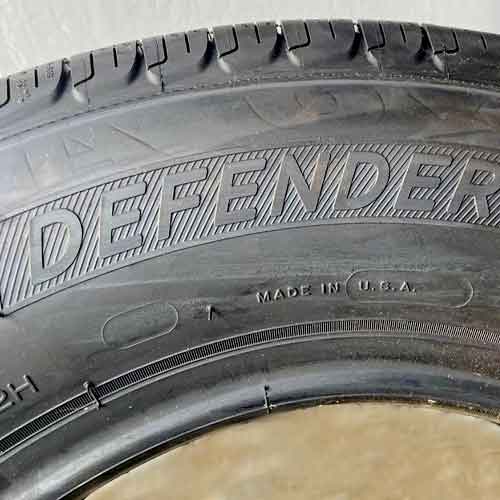
The Michelin X Tour AS2 and Defender 2 are both same tires, and they are only named different for marketing purposes. Both of these, excel in dry roads, in terms of traction, and give out amazing tread life, noise reduction, and fuel economy. Their robust grip on dry surfaces, and effective steering response, is due to their superior uniformity of lugs, and elastic tread compound (having a lighter weight). Though their light weight mostly comes form their just single polyester covers (inside). So you can say, durability is not a strong point here. The Michelin Defender T+H on the other hand, shines in wet conditions, with its IntelliSipe Technology and softer compound supplying superior water wiping abilities, and bringing about good enough impact comfort on pavements. Moreover the tire's asymmetric design also holds unique capabilities on snowy terrains.

Michelin Pilot Sport 5

Goodyear Eagle F1 Asymmetric 6 vs Michelin Pilot Sport 5

Although its not recommended to skip any of the above, let me (try to) break down every thing I discussed here. In terms of dry performance, both tires perform admirably, but the Asymmetric 6 still comes out better in terms of dry braking, thanks to its full-depth sipes on the middle ribs. However, the Michelin Pilot Sport 5 offers superior dry handling due to its enhanced understeering and oversteering balance, along with a quicker steering response. The opposite happens on wet roads, where Michelin Pilot 5 delivers shorter braking distances and its competitor comes out with superior handling. But yes, hydroplaning resistance is seen better on Pilot Sport too. What else... yes, in terms of rolling resistance and fuel efficiency, the Asymmetric 6 comes out ahead with its lighter structure and shallower tread depth. Though they also cause it to wear off quicker in comparison. So tread life is longer on Pilot Sport 5. Lastly, evaluating road comfort, the Asymmetric 6 leads in noise reduction due to smaller tread voids on its shoulders and superior absorption of road irregularities. Whereas the Michelin Pilot Sport 5 could really use some help in this area.

Michelin Pilot Sport 5

Hankook Ventus S1 EVO 3 vs Michelin Pilot Sport 5

After thoroughly examining both of these summer tires, we can draw some conclusions. The EVO 3 stands out in dry braking and offers slightly superior handling times in both dry and wet conditions. And it also wins in other performance metrics such as tread life, and fuel economy, thanks to its lighter build and superior lug maneuverability, which also renders superior comfort performance. Though the tire lacks to its counterpart when it comes to hydroplaning resistance. The Michelin Pilot Sport 5 on the other hand, is a great overall pick. But it really lacks when it comes to noise reduction. Its one of the loudest tires in its category.